
Signs of Neurological Disorders in Newborns
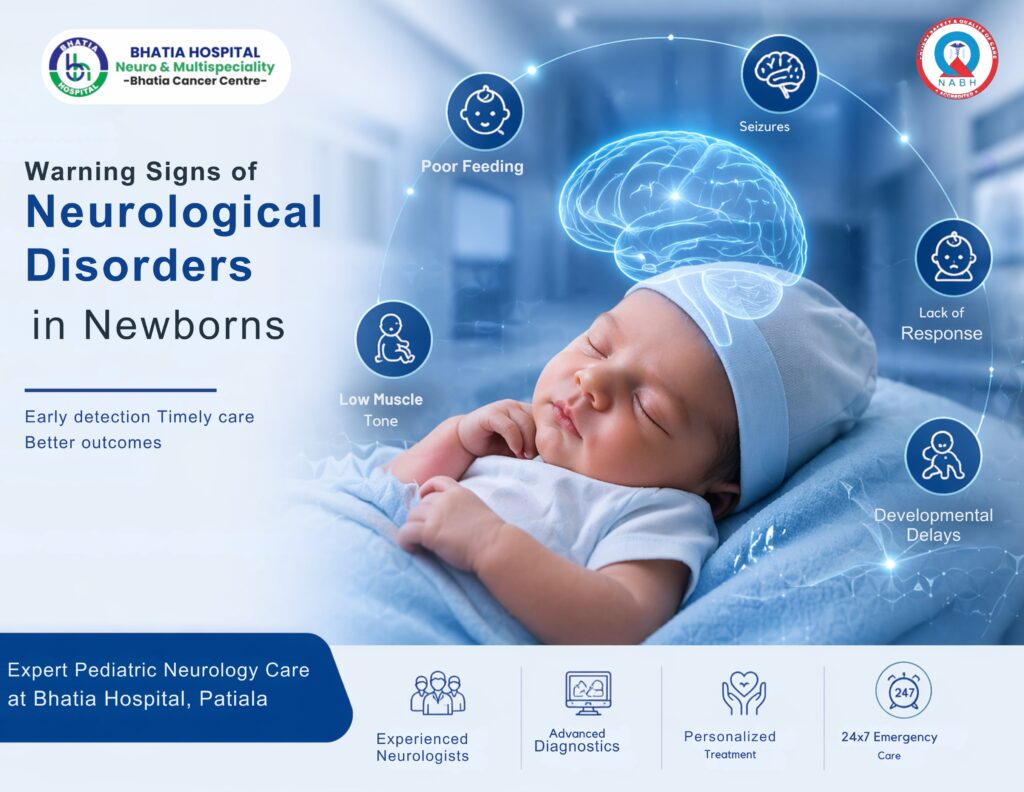
Neurological disorders in newborns can affect a baby’s brain, spinal cord, and overall growth and development. Identifying the signs of neurological disorders in newborns at an early stage is essential for timely diagnosis and effective treatment. The signs of neurological disorders in newborns may appear due to complications during pregnancy, premature birth, lack of oxygen during delivery, or infections. Parents should carefully observe their baby’s behavior and look for warning signs such as seizures, poor feeding, abnormal crying, or delayed responses. Ignoring these symptoms can lead to serious long-term complications. Seeking expert neurology care in Patiala at the right time can significantly improve a child’s health, development, and quality of life.
What Are Neurological Disorders in Newborns?
Neurological disorders in newborns refer to conditions that affect a baby’s brain, spinal cord, or nervous system. These disorders can develop before birth, during delivery, or shortly after birth, and may impact a child’s physical and mental development. In many cases, the signs of neurological disorders in newborns may not be immediately obvious, which makes early observation extremely important.
Common neurological conditions in infants include seizures, brain injuries, developmental delays, and muscle tone abnormalities. These issues can result from factors such as premature birth, lack of oxygen during delivery, infections, or genetic conditions. Early diagnosis and proper medical care can help manage these conditions effectively and improve the child’s overall development and quality of life.
Signs of Neurological Disorders in Newborns
Recognizing the signs of neurological disorders in newborns at an early stage is crucial for timely diagnosis and treatment. These signs may vary from mild to severe and can affect a baby’s behavior, movement, and overall development. Parents should closely monitor any unusual symptoms and consult a specialist if they notice anything abnormal.
Abnormal Crying Patterns:
Newborns with neurological issues may show unusual crying patterns, such as a weak or absent cry at birth. In some cases, babies may cry excessively without any clear reason or produce a high-pitched, abnormal sound that may indicate an underlying neurological concern.
Seizures or Jerky Movements:
Seizures in newborns can appear as sudden shaking, stiffness, or repeated jerky movements of the arms and legs. Some babies may also experience brief episodes of staring or unresponsiveness, which should not be ignored.
Poor Feeding or Sucking Difficulty:
A baby with neurological problems may have difficulty feeding due to a weak sucking reflex. They may struggle with breastfeeding, show poor coordination while feeding, or frequently choke during feeding sessions.
Low Muscle Tone (Floppiness):
Low muscle tone, also known as floppiness, can make a baby feel unusually limp when held. Such babies may show reduced movement in their limbs and may have difficulty maintaining posture or body control.
Lack of Response:
Newborns affected by neurological disorders may not respond properly to sounds, touch, or visual stimuli. They may appear less alert, inactive, or unusually quiet compared to healthy infants.
Developmental Delays:
Developmental delays are another important indicator. Babies may take longer to achieve milestones such as holding their head up, making eye contact, or showing normal movement and coordination.
In such situations, seeking immediate emergency medical care is crucial to prevent complications and ensure timely treatment.
Causes of Neurological Disorders in Newborns
Neurological disorders in newborns can occur due to several factors that affect the brain and nervous system before, during, or shortly after birth. Understanding these causes helps in early diagnosis and better management.
Premature Birth
Babies born before full term have underdeveloped brains, which increases the risk of neurological complications.
Lack of Oxygen (Birth Asphyxia):
Reduced oxygen supply to the baby’s brain during delivery can cause serious brain damage and long-term neurological issues.
Infections During Pregnancy:
Maternal infections, such as viral or bacterial infections, can interfere with the baby’s brain development.
Genetic or Inherited Disorders:
Certain neurological conditions may occur due to genetic abnormalities passed from parents.
Birth Injuries or Trauma:
Physical injury to the baby’s head or brain during delivery can affect the nervous system.
Metabolic or Developmental Disorders:
Problems related to metabolism or abnormal brain development can also lead to neurological disorders.
Early identification of these causes and the signs of neurological disorders in newborns can help ensure timely medical intervention and improved outcomes.
Diagnosis & Treatment
Early diagnosis plays a crucial role in managing neurological conditions effectively. If any signs of neurological disorders in newborns are observed, doctors perform a detailed evaluation to understand the underlying cause and severity of the condition.
Diagnosis:
arly diagnosis is essential for identifying neurological conditions in newborns and starting timely treatment. If any signs of neurological disorders in newborns are observed, doctors conduct a detailed physical and neurological examination to assess reflexes, muscle tone, and responsiveness. Advanced diagnostic tools such as MRI, CT scans, and ultrasound may be used to detect structural abnormalities in the brain. In some cases, an EEG (Electroencephalogram) is performed to monitor brain activity and identify seizures, while blood tests help detect infections, genetic conditions, or metabolic disorders.
Treatment:
Treatment for neurological disorders in newborns depends on the specific condition and its severity. Doctors may prescribe medications to control symptoms such as seizures and support brain function. In many cases, therapies such as physical therapy, occupational therapy, or developmental therapy are recommended to improve movement, coordination, and overall development. Continuous monitoring and regular follow-ups are essential to track the baby’s progress. In critical situations, immediate medical intervention and specialized care may be required to ensure the best possible outcome.
Why Choose Bhatia Hospital, Patiala
Bhatia Hospital, Patiala is committed to providing advanced and compassionate care for newborns with neurological concerns. With a team of experienced specialists and modern medical facilities, the hospital ensures accurate diagnosis and effective treatment for every patient. The hospital is equipped with advanced diagnostic technology that helps in the early detection of neurological conditions in newborns. From initial evaluation to ongoing care, every step is handled with precision and attention to detail. A dedicated team of pediatricians and specialists works closely to provide personalized treatment plans based on the baby’s condition. The hospital also offers continuous monitoring and support to ensure the best possible outcomes. With a strong focus on patient safety, quality care, and timely intervention, Bhatia Hospital has become a trusted choice for families seeking reliable neurological care in Patiala.
Conclusion
Neurological disorders in newborns can be complex and concerning, but early identification and timely medical care can make a significant difference in a child’s development and overall well-being. Understanding the signs of neurological disorders in newborns and taking quick action can help prevent complications and improve long-term outcomes. These conditions may vary in severity, but with proper diagnosis and expert treatment, many can be effectively managed. Parents should remain attentive to any unusual symptoms and never ignore warning signs such as seizures, poor feeding, or delayed responses. With the right medical support, continuous monitoring, and early intervention, many children can achieve healthy growth, improved development, and a better quality of life.
FAQ's
What are the early signs of neurological disorders in newborns?
Early signs include seizures, abnormal crying, poor feeding, weak muscle tone, and lack of response to sound or touch.
When should I consult a doctor for my newborn?
You should consult a doctor immediately if your baby shows unusual movements, feeding difficulties, excessive sleepiness, or delayed responses.
Can neurological disorders in newborns be treated?
Yes, many neurological conditions can be managed effectively with early diagnosis, proper treatment, and supportive therapies.
What causes neurological disorders in newborns?
Common causes include premature birth, lack of oxygen during delivery, infections during pregnancy, genetic factors, and birth injuries.
Which hospital is best for newborn neurological care in Patiala?
Bhatia Hospital, Patiala is known for providing advanced diagnosis and specialized care for neurological conditions in newborns.