
Symptoms of Kidney Diseases: Warning Signs You Shouldn’t Ignore
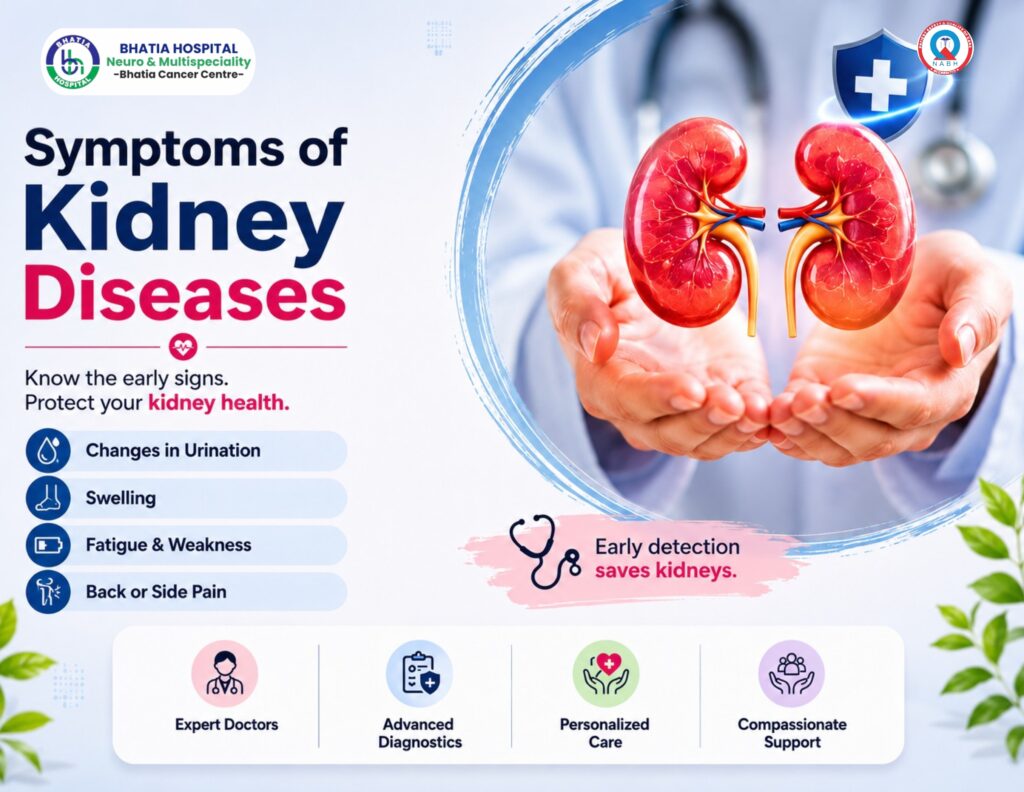
Kidney problems usually develop slowly. Many people ignore the early signs because the symptoms of kidney Diseases can feel minor at first. You may feel tired, notice swelling in your feet, or see changes in urination. However, these small changes can sometimes point to a serious kidney condition.
Your kidneys play an important role in removing waste, balancing fluids, and controlling blood pressure. And when they stop working properly, the whole body can be affected.
However, understanding the symptoms of kidney diseases can help you get treatment early and reduce health risks.
What Are Kidney Diseases?
Kidney diseases are conditions that damage the kidneys and reduce their ability to work properly. These conditions may develop quickly or slowly over time.
Some common kidney conditions include:
- Chronic kidney disease (CKD)
- Kidney infections
- Stone in the kidneys
- Failure of the Kidney
- Diabetic kidney disease
In many cases, an early health check-up helps protect kidney function and improve long-term health.
Common Symptoms of Kidney Diseases
The symptoms of kidney disease in adults can vary depending on the condition and seriousness. Some people may not notice symptoms at first.
Here are some common symptoms of kidney disease:
Changes in Urination
One of the earliest signs your kidneys are not working properly is a change in urination patterns.
You may notice:
- Frequent urination, especially at night
- Foamy or bubbly urine
- Blood in urine
- Pain or burning during urination
- Reduced urine output
These symptoms may suggest kidney damage or infection.
Swelling in the Body
Healthy kidneys remove extra fluid from the body. When kidney function decreases, fluid can increase.
This may cause swelling in:
- Feet
- Ankles
- Hands
- Face
- Around the eyes
People should not ignore continuous swelling.
Constant Fatigue and Weakness
Kidney disease can lead to an increase in toxins in the blood. It may also cause anaemia, a condition where the body has fewer red blood cells.
As a result, you may experience:
- Low energy
- Weakness
- Difficulty concentrating
- Feeling tired throughout the day
Loss of Appetite and Nausea
Symptoms of poor kidney health may also affect digestion.
Some people experience:
- Nausea
- Vomiting
- Poor appetite
- Metallic taste in the mouth
These symptoms are more common in advanced kidney disease.
High Blood Pressure
Kidneys help regulate blood pressure. Damaged kidneys can contribute to uncontrolled hypertension.
At the same time, high blood pressure can also damage the kidneys further.
This creates a harmful cycle if not treated early.
Shortness of Breath
Fluid buildup in the lungs or anemia caused by kidney disease may lead to breathing difficulties. You should seek medical care if shortness of breath becomes severe or sudden.
Back or Side Pain
Pain near the lower back or sides may occur in certain kidney conditions.
This symptom is commonly linked with:
- Kidney infection symptoms
- Kidney stones
- Urinary tract infections
Pain along with fever or burning urination needs medical attention.
Early Signs of Kidney Damage
Many people ask how to identify kidney disease symptoms in the early stages.
Some early warning signs include:
- Mild swelling
- Frequent nighttime urination
- Persistent tiredness
- Puffy eyes
- High blood pressure
- Changes in urine appearance
These symptoms may appear slowly. Therefore, regular health checkups are important, especially for people with diabetes or hypertension.
Causes and Risk Factors
Several conditions can increase the risk of kidney disease.
Common risk factors include:
- Diabetes
- High blood pressure
- Obesity
- Smoking
- Family history of kidney disease
- Recurrent urinary infections
- Excessive painkiller use
Older adults may also have a higher risk of chronic kidney disease symptoms.
When Should You See a Doctor for Kidney Problems?
You should consult a doctor if you notice symptoms that continue for several days.
Seek medical advice if you experience:
- Blood in urine
- Severe swelling
- Persistent fatigue
- Pain during urination
- Fever with back pain
- Difficulty breathing
- Sudden decrease in urine output
Early treatment can help prevent kidney failure symptoms and other complications.
How Are Kidney Diseases Diagnosed?
Doctors may recommend several tests to identify kidney problems.
The diagnosis process may include:
- Blood tests
- Urine analysis
- Kidney function tests
- Ultrasound or CT scan
- Blood pressure monitoring
Treatment depends on the underlying condition and severity.
Treatment Options for Kidney Diseases
Kidney disease treatment varies from person to person. Common treatment approaches include:
Medications:
Doctors may prescribe medicines to:
- Control blood pressure
- Reduce swelling
- Treat infections
- Manage diabetes
Lifestyle Changes
Healthy habits can support kidney health.
These include:
- Drinking enough water
- Reducing salt intake
- Avoiding smoking
- Managing blood sugar
- Exercising regularly
Advanced Kidney Care
Severe kidney disease may require:
- Dialysis
- Specialized nephrology care
- Long-term monitoring
Early diagnosis often reduces the risk of advanced complications
Prevention Tips for Better Kidney Health
Protecting your kidneys starts with simple daily habits.
You can reduce the risk of kidney problems by:
- Keeping blood pressure under control
- Managing diabetes carefully
- Eating a balanced diet
- Staying physically active
- Avoiding self-medication
- Getting regular health checkups
Preventive care is especially important for people with existing medical conditions.
Why Choose Bhatia Hospital in Patiala?
Bhatia Hospital in Patiala provides patient-focused kidney care with experienced medical professionals and advanced diagnostic support.
Patients trust the hospital for:
- Experienced doctors and specialists
- Modern diagnostic facilities
- Personalized patient care
- Timely evaluation and treatment
- Comprehensive healthcare services under one roof
The hospital focuses on accurate diagnosis, clear communication, and compassionate care for every patient.
Frequently Asked Questions
What are the early symptoms of kidney diseases?
Early symptoms may include swelling, tiredness, frequent urination, and changes in urine color or appearance.
Can kidney disease develop without symptoms?
Yes. Chronic kidney disease symptoms may appear slowly, and some people notice no symptoms in the early stages.
Are kidney disease symptoms serious?
Some symptoms may indicate serious kidney damage. Early medical evaluation is important to avoid complications.
When should I visit a hospital for kidney problems?
You should see a doctor if you have blood in urine, severe swelling, fever with back pain, or difficulty urinating.
What tests are used to diagnose kidney disease?
Doctors may recommend blood tests, urine tests, imaging scans, and kidney function tests.
Can kidney problems be prevented?
Healthy lifestyle habits and regular checkups can lower the risk of kidney disease.