
Chemotherapy in Patiala
Meet our Cancer Specialist

Dr. Kanwarneet Singh
M.B.B.S., M.S (SURG), DNB (Surgical Oncology), A.I.I.M.S. New Delhi
DIRECTOR, Bhatia Cancer Centre
PMC No. - 50699
Provides care for patients who need surgical oncology services. Patients can consult the doctor to discuss their diagnosis, possible surgical treatment options, and care during recovery.
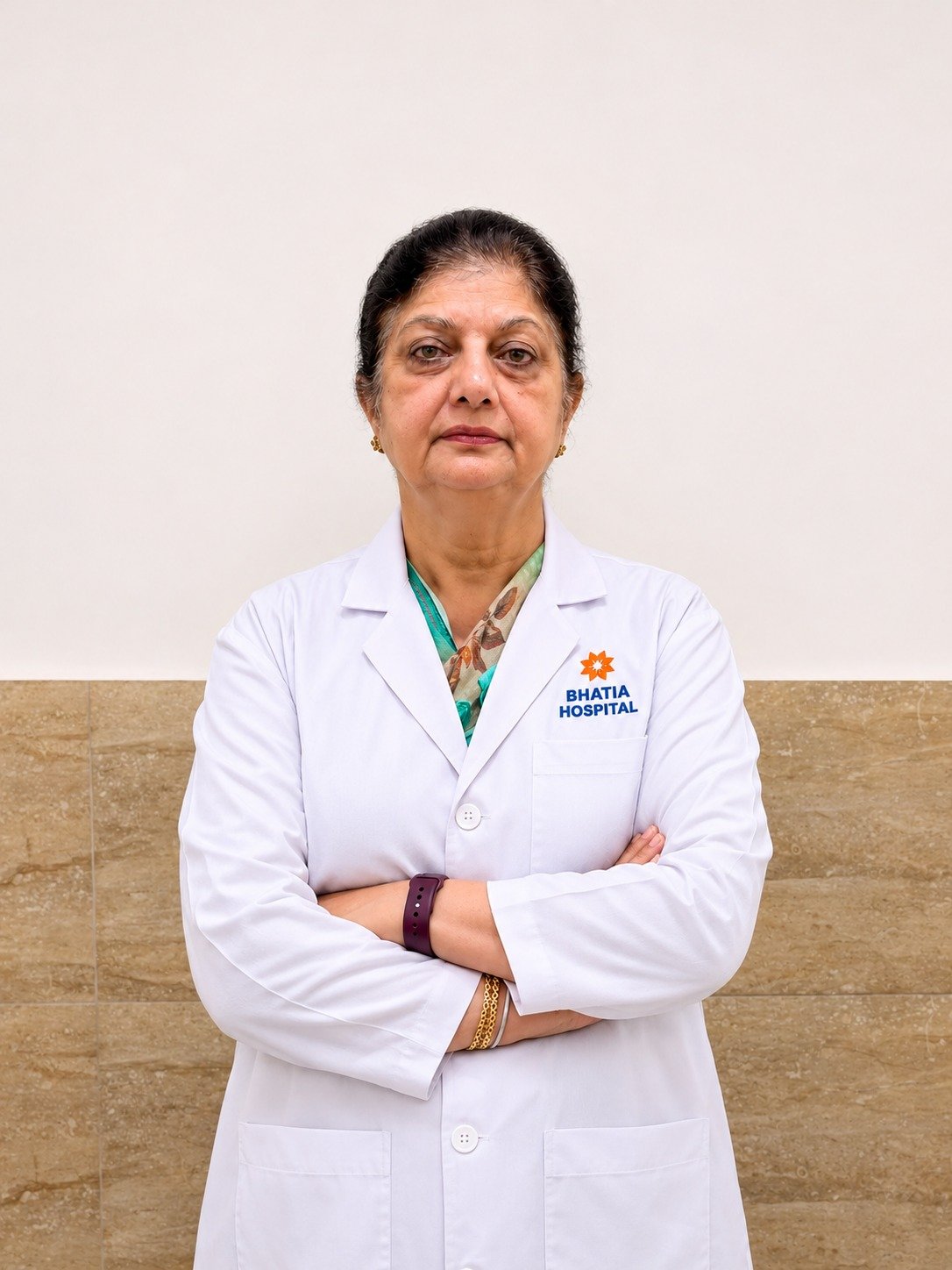
Dr. Harjot Kaur Bagga
M.D (Radiotherapy) Clinical Oncologist
PMC No. - 16645
Provides oncology consultations and guidance for patients undergoing cancer treatment. Patients can discuss their care needs, available treatment options, and follow-up support.
Personalised Chemotherapy Care and Oncology Support at Bhatia Hospital
Chemotherapy is a medical treatment that uses specialised medicines to help control or destroy cancer cells. It may be recommended for different types of cancer, depending on the diagnosis, stage of the disease and the patient’s overall health. At Bhatia Hospital, Patiala, patients can consult the oncology team to understand chemotherapy options, treatment planning and supportive care.
What Is Chemotherapy?
Chemotherapy is a type of cancer treatment that uses medicines to target cancer cells and control their growth. It may be used on its own or alongside other treatments, such as surgery or radiation therapy, depending on the patient’s medical condition.
The treatment approach varies from person to person. An oncologist evaluates the cancer type, stage, test results and overall health before discussing a suitable treatment plan.
When Is Chemotherapy Recommended?
Doctors may recommend chemotherapy in different situations depending on the type and stage of cancer. These may include:
- Before Surgery: To help shrink a tumour before a planned surgical procedure.
- After Surgery: To help reduce the risk of cancer returning in certain cases.
- Primary Cancer Treatment: When chemotherapy is considered an appropriate main treatment.
- Advanced Cancer Care: To help control cancer growth and manage disease-related symptoms.
- Combined Treatment: Alongside radiation therapy or other cancer treatments when clinically appropriate.
Types of Chemotherapy
Chemotherapy can be administered through different methods depending on the prescribed medicines and treatment requirements.
Intravenous Chemotherapy
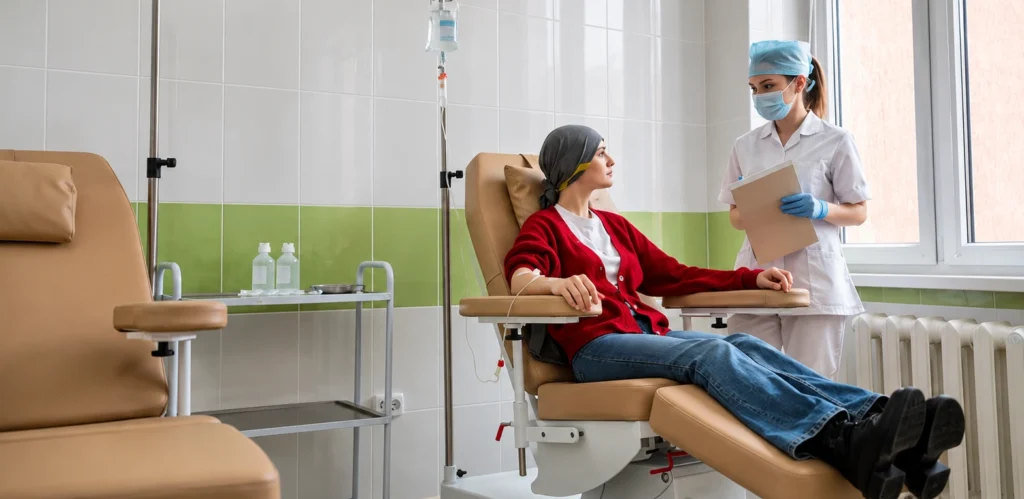
Medicines are administered directly into a vein through an IV line or another suitable access device.
Oral Chemotherapy
Certain chemotherapy medicines are available as tablets or capsules and are taken according to the prescribed schedule.
Combination Chemotherapy
Two or more chemotherapy medicines may be used together when recommended by the treating oncologist.
What to Expect During Chemotherapy?
Chemotherapy treatment generally follows a planned schedule based on the prescribed medicines and the patient’s individual needs.
- Initial Consultation: The oncologist reviews the diagnosis, medical history and available reports.
- Treatment Planning: The doctor discusses suitable medicines, treatment schedules and possible side effects.
- Treatment Administration: Chemotherapy medicines are administered using the prescribed method.
- Monitoring: The medical team monitors the patient’s condition and reviews any treatment-related symptoms.
- Follow-Up: Regular consultations and recommended tests help assess the patient’s response to treatment.
Possible Side Effects of Chemotherapy
Chemotherapy may affect both cancer cells and some healthy cells, which can lead to side effects. These vary depending on the medicines, dosage and individual health condition.
Some possible side effects include:
- Nausea and vomiting
- Fatigue and weakness
- Hair loss
- Reduced appetite
- Mouth sores
- Changes in blood cell counts
- Increased risk of infections
Not every patient experiences the same side effects. The treating doctor can explain possible risks and recommend appropriate medicines or supportive measures to help manage them.
Supportive Care During Chemotherapy
Supportive care is an important part of cancer treatment. It focuses on helping patients manage treatment-related symptoms and maintain their comfort and well-being.
Depending on individual needs, supportive care may include:
- Guidance on nutrition and hydration
- Medicines for nausea and vomiting
- Advice on managing fatigue
- Monitoring of blood counts when recommended
- Pain and symptom management
- Emotional support and family guidance
Patients should inform their treating team about new or worsening symptoms during treatment.
Why Consult Bhatia Hospital for Chemotherapy in Patiala?
Bhatia Hospital provides oncology consultations and chemotherapy services in Patiala. Patients can discuss their diagnosis, treatment options and care requirements with the oncology specialists.
The hospital’s cancer care services focus on:
- Oncology consultations and specialist guidance
- Individualised treatment planning
- Chemotherapy and other cancer treatment options
- Guidance about possible side effects
- Supportive care and symptom management
- Follow-up consultations and monitoring
- Guidance for patients and their families
Consult an Oncology Specialist in Patiala
Choosing the right cancer treatment begins with understanding the diagnosis and discussing available medical options. At Bhatia Hospital, patients can consult the oncology team to learn about chemotherapy, possible treatment approaches and supportive care.
Contact Bhatia Hospital to enquire about chemotherapy consultations and available treatment options in Patiala.
FAQ's
What is chemotherapy used for?
Chemotherapy is used to treat different types of cancer. It may help destroy cancer cells, slow their growth or reduce the risk of cancer returning, depending on the treatment plan.
Is chemotherapy suitable for every cancer patient?
No. Chemotherapy is not required for every cancer patient. The decision depends on the cancer type, stage, test results and overall health. An oncologist can explain whether it is an appropriate option.
How long does chemotherapy treatment take?
The duration varies depending on the cancer type, prescribed medicines and treatment schedule. Some patients receive treatment in cycles over several weeks or months.
What are the common side effects of chemotherapy?
Possible side effects include nausea, fatigue, hair loss, reduced appetite and changes in blood counts. Their severity varies between patients and medicines.
Can chemotherapy be combined with other cancer treatments?
Yes. Depending on the diagnosis, chemotherapy may be combined with surgery, radiation therapy, immunotherapy or other treatments.
How should patients prepare for chemotherapy?
Patients should follow their oncologist’s instructions, share their medical history and current medicines, and complete recommended tests before treatment. The treating team can provide specific preparation guidance.