
When Should You Visit an Orthopaedic Doctor?
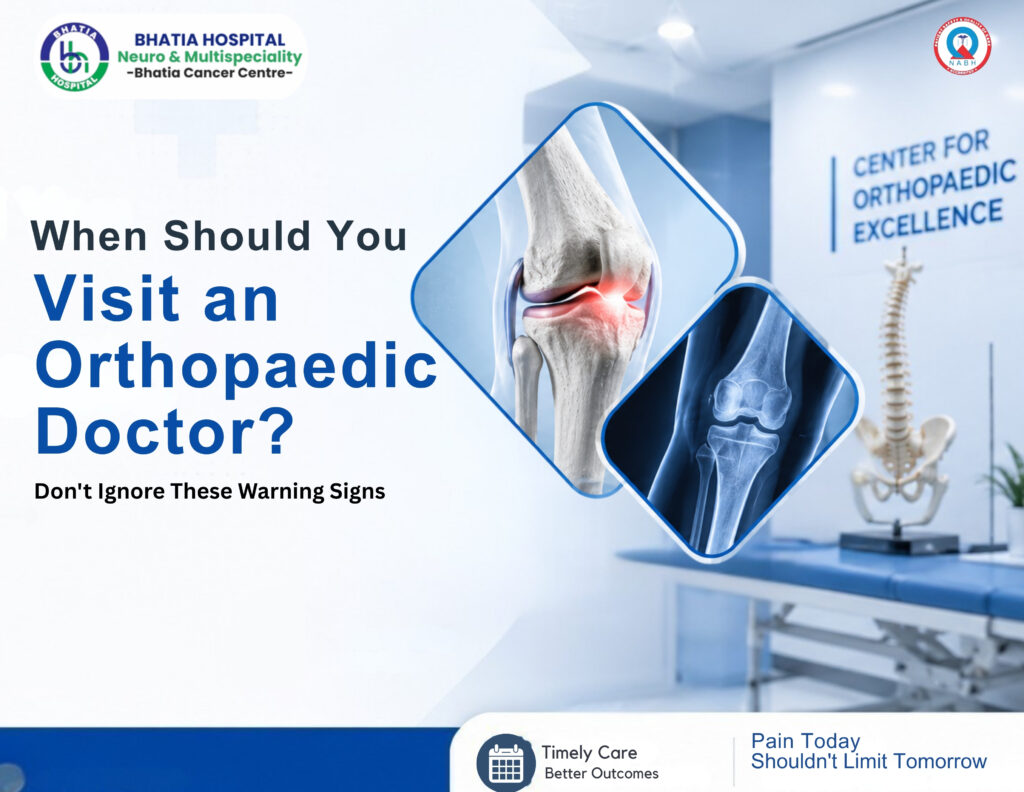
Bone and joint problems are common today. People of all ages can face these issues. Some problems start suddenly. Others develop slowly over time. Many people ignore early symptoms. They hope the pain will disappear. Sometimes the problem becomes worse later. An orthopaedic doctor helps treat bone, joint, muscle, and ligament problems. They also treat injuries and movement issues. Knowing when to visit an orthopaedic doctor is important. Early treatment can prevent bigger problems later.
Who Is an Orthopaedic Doctor?
An orthopaedic doctor specializes in the musculoskeletal system.
This system supports body movement. It includes:
- Bones
- Joints
- Muscles
- Tendons
- Ligaments
- Spine
Orthopaedic doctors diagnose and treat many conditions. They help patients recover from injuries. They also manage long-term joint problems.
Persistent Joint Pain
Joint pain is one of the most common reasons. Many people experience joint pain occasionally. Pain after exercise may improve quickly. However, ongoing pain needs medical attention.
Visit an orthopaedic doctor if:
- Pain lasts several weeks
- Pain affects daily activities
- Pain becomes worse over time
- Rest does not help
Ignoring joint pain can cause more damage.
Frequent Back Pain
Back pain affects millions of people. Poor posture often causes back problems. Heavy lifting may also lead to pain. Many cases improve with rest. Some cases need medical evaluation.
See an orthopaedic doctor if:
- Back pain lasts more than two weeks
- Pain spreads down the legs
- Walking becomes difficult
- Numbness develops
Early care can prevent serious complications.
Neck Pain That Does Not Improve
Many people spend hours on phones and computers. This can strain the neck muscles. Mild neck pain may improve naturally. Persistent pain should not be ignored.
Visit an orthopaedic doctor if:
- Pain stays for several weeks
- Neck movement becomes difficult
- Pain spreads to shoulders
- Tingling develops in arms
These symptoms may indicate a deeper problem.
Sports Injuries
Sports activities can cause injuries. Athletes often face bone and joint issues. Even casual players can get injured. Common sports injuries include:
- Ligament injuries
- Muscle tears
- Fractures
- Joint dislocations
See an orthopaedic doctor immediately after a serious injury. Early treatment supports faster recovery.
Difficulty Walking
Walking should feel comfortable and natural. Pain during walking is not normal. Visit an orthopaedic doctor if:
- Walking causes pain
- You limp regularly
- Balance becomes difficult
- Movement feels restricted
These symptoms may signal joint or bone problems.
Swelling Around Joints
Joint swelling often indicates inflammation. It may also result from injury. Swelling can affect:
- Knees
- Ankles
- Elbows
- Wrists
- Shoulders
Medical evaluation helps identify the cause. Do not ignore swelling that continues for days.
Limited Joint Movement
Healthy joints move smoothly. Pain may limit normal movement. You should seek medical advice if:
- You cannot bend a joint fully
- You cannot straighten a joint
- Daily activities become difficult
Limited movement can affect quality of life.
Bone Fractures
A fracture is a broken bone. Falls often cause fractures. Road accidents can also cause them. Some fractures are obvious. Others may appear less serious.
Visit an orthopaedic doctor if you experience:
- Severe pain
- Swelling
- Deformity
- Difficulty moving the affected area
Quick treatment supports proper healing.
Knee Pain
Knee pain affects many adults. It can also affect younger people.
Common causes include:
- Sports injuries
- Arthritis
- Overuse
- Ligament damage
See an orthopaedic doctor if:
- Pain continues for days
- Swelling develops
- Walking becomes painful
- The knee feels unstable
Shoulder Pain
Shoulder pain can limit daily activities. Lifting objects may become difficult.
Common causes include:
- Muscle strain
- Rotator cuff injuries
- Joint problems
Visit an orthopaedic doctor if:
- Pain affects sleep
- Movement becomes restricted
- Pain continues despite rest
Hip Pain
Hip pain can affect movement and balance. Older adults often experience hip problems.
You should seek medical care if:
- Pain affects walking
- Stiffness develops
- Pain spreads to the thigh
Early treatment can improve mobility.
Signs of Arthritis
Arthritis affects millions of people worldwide. It causes joint pain and stiffness.
Common symptoms include:
- Morning stiffness
- Swollen joints
- Reduced movement
- Ongoing pain
An orthopaedic doctor can recommend suitable treatment options.
Numbness and Tingling
Numbness should never be ignored. It may involve nerves, muscles, or the spine.
Visit an orthopaedic doctor if:
- Tingling occurs frequently
- Numbness affects movement
- Symptoms become worse
Early diagnosis helps prevent complications.
Repeated Injuries
Some people experience the same injury repeatedly. This often indicates an underlying problem. An orthopaedic doctor can identify the cause. Proper treatment reduces future injuries.
When Children Need an Orthopaedic Doctor
Children can also develop bone problems. Growth-related issues sometimes require treatment.
Parents should seek medical advice if:
- A child limps often
- Bones appear misaligned
- Joint pain continues
- Sports injuries occur
Early care supports healthy development.
Benefits of Visiting an Orthopaedic Doctor Early
Early treatment offers several benefits.Faster Recovery: Problems often respond better during early stages.
Better Mobility: Timely care helps maintain normal movement.
Reduced Pain: Treatment can improve comfort and daily function.
Prevention of Complications: Early diagnosis may stop problems from worsening.
Improved Quality of Life: Healthy movement supports an active lifestyle.
What Happens During the Visit?
The doctor will ask about symptoms. They will review your medical history. A physical examination usually follows.
The doctor may recommend:
- X-rays
- MRI scans
- CT scans
- Blood tests
These tests help confirm the diagnosis. A treatment plan will then be discussed.
How Can You Protect Your Bones and Joints?
Simple habits can support joint health.
- Exercise regularly
- Maintain a healthy weight
- Eat balanced meals
- Avoid smoking
- Use proper posture
- Stay physically active
These habits support long-term bone health.
Final Thoughts
Bone and joint problems should not be ignored. Pain is often the body’s warning signal. Visit an orthopaedic doctor when symptoms continue. Early treatment can improve recovery and mobility. Whether you have knee pain, back pain, fractures, or arthritis, professional medical advice is important. At Bhatia Hospital, experienced orthopaedic specialists help patients manage bone, joint, and muscle conditions, etc. Additionally, provide personalized care and advanced treatment options. For additional information about bone, joint, and muscle health, readers can explore trusted resources such as MedlinePlus and the American Academy of Orthopaedic Surgeons (AAOS).
FAQ’s
When should I see an orthopaedic doctor for joint pain?
You should visit an orthopaedic doctor if joint pain lasts several weeks. You should also seek care if pain affects daily activities.
Can an orthopaedic doctor treat back pain?
Yes, orthopaedic doctors treat many causes of back pain. They can diagnose injuries, spine problems, and joint conditions.
Should I visit an orthopaedic doctor after a sports injury?
Yes, you should seek medical advice after a serious sports injury. Early treatment can support faster recovery and prevent complications.
What are the common signs that I need orthopaedic care?
Common signs include joint pain, back pain, swelling, stiffness, fractures, and difficulty walking. Persistent symptoms should not be ignored.
Do I need an orthopaedic doctor for knee pain?
Yes, especially if knee pain continues for several days. Swelling, instability, or difficulty walking also require evaluation.
Can children visit an orthopaedic doctor?
Yes, children may need orthopaedic care for injuries, growth issues, or ongoing joint pain. Early treatment supports healthy development.
What happens during an orthopaedic consultation?
The doctor reviews your symptoms and medical history. They may recommend X-rays, MRI scans, or other tests.
Can an orthopaedic doctor help with arthritis?
Yes, orthopaedic doctors diagnose and treat arthritis. They help manage pain, stiffness, and reduced joint movement.