
Gallbladder Stone Symptoms: Causes, Diagnosis, and Treatment
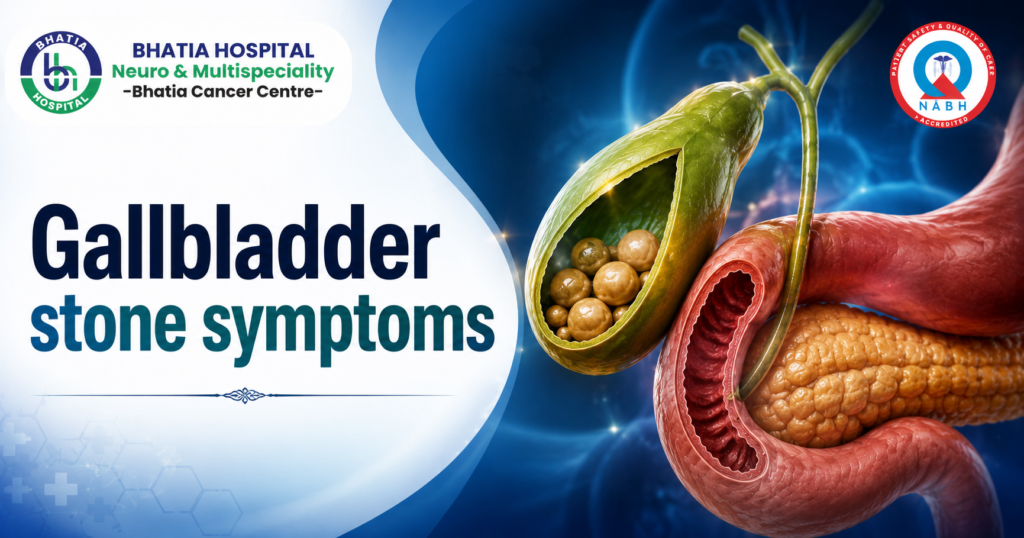
Gallbladder stone symptoms can range from mild discomfort to severe pain that needs urgent medical care. Many people do not know they have gallstones until symptoms appear. Early diagnosis helps prevent complications and supports faster recovery.
At Bhatia Hospital Neuro & Multispeciality Hospital, Patiala, experienced doctors use advanced diagnostic tools and modern laparoscopic surgery to provide safe and effective care for patients from Patiala, Punjab, and nearby districts.
What Are Gallbladder Stones?
Gallbladder stones, also called gallstones, are hard deposits that form inside the gallbladder. The gallbladder stores bile, a digestive fluid made by the liver. When the balance of bile changes, stones may develop.
Some stones are as small as a grain of sand, while others can grow much larger. A person may have one or several stones.
Causes of Gallbladder Stones
Gallstones develop when bile contains too much cholesterol, bilirubin, or too little bile salt.
Common causes include:
- High cholesterol in bile
- Excess bilirubin production
- Poor gallbladder emptying
- Obesity
- Rapid weight loss
- High-fat diet
- Diabetes
- Family history
Many people develop gallstones without knowing the exact cause.
Gallbladder Stone Symptoms
The most common gallbladder stone symptoms appear when a stone blocks the flow of bile.
Common Symptoms
- Sudden pain in the upper right abdomen
- Pain after eating fatty foods
- Pain spreading to the back or right shoulder
- Nausea and vomiting
- Bloating
- Indigestion
- Gas
- Fever if infection develops
- Yellowing of the skin or eyes (jaundice)
- Dark urine
Pain may last from a few minutes to several hours.
Ignoring symptoms may increase the risk of complications.
Risk Factors
Some people have a higher chance of developing gallstones.
Risk factors include:
- Women, especially after age 40
- Pregnancy
- Obesity
- Diabetes
- High cholesterol
- Rapid weight loss
- Sedentary lifestyle
- Family history
- Liver disease
- Certain medicines
Gallstones in women are more common because female hormones can increase cholesterol levels in bile.
Possible Complications
Untreated gallstones can lead to serious health problems.
These include:
| Complication | Description |
|---|---|
| Gallbladder infection | Infection causing fever and severe pain |
| Acute cholecystitis | Inflammation |
| Blocked bile duct | Prevents normal bile flow |
| Pancreatitis | Inflammation of the pancreas |
| Jaundice | Yellowing of skin and eyes |
Early treatment helps reduce these risks.
How Are Gallstones Diagnosed?
Doctors begin with a detailed medical history and physical examination.
They may recommend:
- Abdominal ultrasound
- Blood tests
- CT scan
- MRI or MRCP
- Endoscopic ultrasound when needed
An ultrasound is the most common and reliable test for gallstones.
Gallbladder Stone Treatment
Treatment depends on symptoms, stone size, and overall health.
1. Observation
Small gallstones without symptoms often do not need immediate treatment. Doctors may recommend regular follow-up.
2. Medicines
Certain medicines may dissolve small cholesterol stones. However, this treatment works slowly and is suitable only for selected patients.
3. Laparoscopic Gallbladder Surgery
The most effective treatment for symptomatic gallstones is laparoscopic gallbladder surgery.
This minimally invasive procedure involves removing the gallbladder through small cuts.
Benefits:
- Smaller incisions
- Less pain
- Faster recovery
- Short hospital stay
- Lower infection risk
- Earlier return to daily activities
Many patients return home within one or two days.
4. Emergency Surgery
Immediate surgery may be needed if a patient develops:
- Severe infection
- Blocked bile duct
- Gallbladder rupture
- Acute pancreatitis
Prompt treatment prevents life-threatening complications.
Why Choose Bhatia Hospital in Patiala?
Choosing the right hospital is important for safe treatment.
Bhatia Hospital Neuro & Multispeciality Hospital, Patiala offers:
- Experienced surgeons
- Advanced laparoscopic surgery
- Modern diagnostic facilities
- Patient-centered care
- Multispeciality support
- Personalized treatment plans
- Safe surgical practices
- Comprehensive post-operative care
Patients from Patiala, Sangrur, Nabha, Rajpura, Fatehgarh Sahib, and other parts of Punjab trust Bhatia Hospital for quality healthcare.
Prevention Tips
Although not all gallstones can be prevented, healthy habits lower the risk.
Follow these tips:
- Maintain a healthy weight
- Avoid crash diets
- Eat fiber-rich foods
- Limit fatty foods
- Exercise regularly
- Stay hydrated
- Control diabetes
- Manage cholesterol
A balanced lifestyle supports better digestive health.
When Should You Consult a Doctor?
Seek medical attention if you have:
- Severe abdominal pain
- Fever with stomach pain
- Yellow eyes or skin
- Persistent vomiting
- Pain lasting more than two hours
- Repeated attacks after meals
Early diagnosis can prevent serious complications.
Quick Answers About Gallbladder Stones
- What are gallbladder stones?
Gallbladder stones are hard deposits that form inside the gallbladder when bile contains too much cholesterol or bilirubin. Some people have no symptoms, while others develop severe abdominal pain, nausea, or digestive problems that require medical treatment.
- Why do gallstones form?
Gallstones usually form because of excess cholesterol, poor gallbladder emptying, obesity, diabetes, rapid weight loss, pregnancy, or family history. Lifestyle and genetics both play an important role.
- How are gallstones diagnosed?
Doctors diagnose gallstones using a physical examination, medical history, blood tests, and imaging tests such as an abdominal ultrasound. Additional scans may be required if complications are suspected.
- Who is at higher risk?
Women over 40, people with obesity, diabetes, high cholesterol, pregnancy, or a family history of gallstones have a higher chance of developing this condition.
- When should gallstones be treated?
Treatment is recommended when gallstones cause pain, infection, jaundice, or blockage of the bile ducts. Symptomatic gallstones usually require laparoscopic surgery.
- Can gallstones go away naturally?
Most gallstones do not disappear naturally. Small, symptom-free stones may not require treatment, but painful gallstones usually need medical evaluation and sometimes surgery.
- Is gallbladder surgery safe?
Laparoscopic gallbladder surgery is considered a safe and commonly performed procedure. Most patients recover quickly and return to normal activities within a short time.
FAQs:
What are the first signs of gallbladder stones?
The first signs often include pain in the upper right abdomen, bloating, nausea, and discomfort after eating fatty foods. Some people have no symptoms until a stone blocks the bile duct.
Can I live without a gallbladder?
Yes. The liver continues to produce bile. Most people live normal, healthy lives after gallbladder removal surgery with only minor dietary adjustments during recovery.
Are gallstones common in women?
Yes. Women are more likely to develop gallstones because hormonal changes can increase cholesterol levels in bile. Pregnancy also raises the risk.
Can gallstones cause back pain?
es. Gallbladder pain often spreads to the back or right shoulder. This is a common symptom when gallstones block the flow of bile.
Is surgery always necessary?
No. Silent gallstones without symptoms may only need monitoring. Surgery is generally advised when stones cause pain or complications.
How long does laparoscopic gallbladder surgery take?
Most procedures take about 45 to 90 minutes. Recovery is usually faster than traditional open surgery, and many patients return home within one or two days.
What foods should I avoid with gallstones?
Avoid fried foods, fatty meats, processed foods, and heavy meals. Choose fruits, vegetables, whole grains, and lean protein to support digestive health.
Can gallstones return after surgery?
No. Gallstones cannot return after the gallbladder is removed because the organ where they form is no longer present.
Is gallbladder pain an emergency?
Severe pain with fever, vomiting, or jaundice requires immediate medical attention. These symptoms may indicate infection or a blocked bile duct.
Where can I get expert gallstone treatment in Patiala?
Patients looking for Best Gallbladder Stone Treatment in Patiala can consult the experienced surgical team at Bhatia Hospital Neuro & Multispeciality Hospital, Patiala, where advanced diagnosis and minimally invasive treatment options are available.
Conclusion
Gallbladder stone symptoms should never be ignored. Early diagnosis and timely treatment can prevent serious complications and improve your quality of life. Modern laparoscopic gallbladder surgery offers a safe, effective, and faster recovery for many patients.
If you experience persistent abdominal pain, nausea, or other symptoms, seek medical advice without delay.
Book an appointment with the specialists at Bhatia Hospital, Patiala for expert diagnosis and personalized treatment.