
Recovery After Laparoscopic Surgery: Healing, Care & Recovery Tips
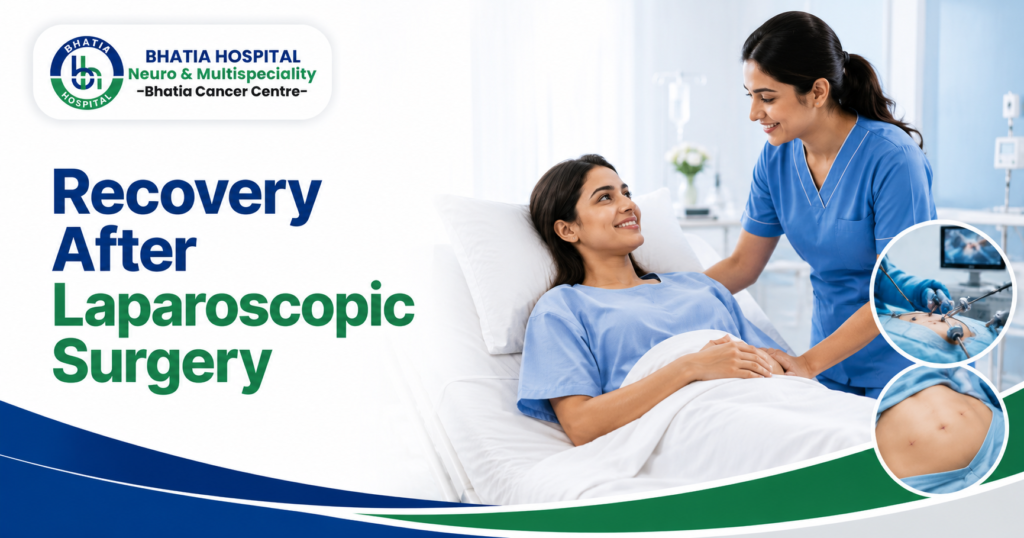
Recovery After Laparoscopic Surgery is usually faster than recovery after traditional open surgery. Because laparoscopic surgery uses small incisions, patients often experience less pain, minimal scarring, and a quicker return to normal activities. However, proper aftercare is essential for safe healing and reducing the risk of complications.
Understanding what to expect during recovery helps patients feel more confident after surgery. Knowing how to care for your wounds, when to walk, what to eat, and when to seek medical advice can improve recovery and support better long-term health.
At Bhatia Hospital Neuro & Multispeciality Hospital, Patiala, our experienced surgeons provide advanced laparoscopic procedures and personalized post-operative care for patients from Patiala, Punjab, and nearby districts.
What Is Laparoscopic Surgery?
Laparoscopic surgery, also called keyhole surgery or minimally invasive surgery, is a modern surgical technique performed through small incisions instead of one large cut.
During the procedure, the surgeon inserts a tiny camera called a laparoscope along with specialized surgical instruments through small openings. The camera displays clear images on a monitor, allowing the surgeon to perform the operation with precision.
Compared with open surgery, laparoscopic procedures generally offer:
- Smaller incisions
- Less pain
- Reduced blood loss
- Lower infection risk
- Faster healing
- Shorter hospital stay
- Better cosmetic results
Many conditions, including gallstones, appendicitis, hernia, and some gynecological disorders, can be treated using laparoscopic surgery.
Why Is Recovery After Laparoscopic Surgery Faster?
Recovery is often quicker because the procedure causes less damage to muscles and surrounding tissues.
Small incisions mean:
- Less tissue injury
- Reduced pain
- Lower risk of wound infection
- Faster wound healing
- Earlier movement
- Shorter recovery time
Although healing is generally faster, every patient’s recovery depends on their age, overall health, and the type of surgery performed.
What to Expect After Laparoscopic Surgery
Most patients notice gradual improvement over the first few days.
You may experience:
- Mild pain around the incision sites
- Shoulder pain caused by the gas used during surgery
- Tiredness
- Mild abdominal discomfort
- Bloating
- Temporary nausea
- Slight bruising around the incisions
These symptoms usually improve within a few days.
Always follow your surgeon’s instructions regarding medicines, wound care, and activity.
Recovery Timeline After Laparoscopic Surgery
| Recovery Stage | What to Expect |
|---|---|
| First 24 Hours | Rest, mild pain, begin walking with support if advised |
| 2–3 Days | Reduced discomfort, increased mobility, light meals |
| 1 Week | Most patients resume light daily activities |
| 2–4 Weeks | Many patients return to work, depending on the surgery |
| 4–6 Weeks | Recovery continues with gradual return to normal activities |
| 6–8 Weeks | Complete healing for many patients, depending on the procedure |
Common Symptoms During Recovery
Some symptoms are normal while healing.
These include:
- Mild incision pain
- Swelling around the wound
- Bruising
- Mild fatigue
- Temporary constipation
- Shoulder discomfort
- Mild bloating
These symptoms usually improve with proper care.
However, severe pain, high fever, heavy bleeding, or persistent vomiting require immediate medical attention.
Factors That Affect Recovery
Every patient heals at a different pace.
Recovery depends on:
- Age
- Overall health
- Type of laparoscopic procedure
- Existing medical conditions
- Diabetes
- Smoking
- Nutrition
- Physical activity
- Following post-operative instructions
Patients who maintain a healthy lifestyle often recover more quickly.
Quick Recovery Checklist
After laparoscopic surgery:
 Take medicines as prescribed Keep the wound clean and dry Walk every day Drink plenty of water Eat nutritious food Avoid lifting heavy objects Attend follow-up appointments Watch for signs of infection
Small daily steps can support a smoother recovery.
Care After Laparoscopic Surgery
Proper post-operative care plays an important role in a smooth recovery. Following your surgeon’s advice helps reduce the risk of infection and supports faster healing.
Here are some essential care tips:
- Take all medicines as prescribed.
- Keep the incision clean and dry.
- Change dressings only as instructed.
- Wash your hands before touching the wound.
- Wear loose and comfortable clothing.
- Avoid smoking and alcohol during recovery.
- Attend all follow-up appointments.
Small steps each day can make a big difference in your recovery.
Incision Care After Laparoscopic Surgery
The small incisions usually heal within a few weeks, but they still require proper care.How to Care for Your Incisions
- Keep the wound clean and dry.
- Follow your doctor’s instructions before showering.
- Avoid applying creams or powders unless advised.
- Do not scratch or pick at the incision.
- Check daily for redness or swelling.
Signs of Wound Infection
Contact your doctor immediately if you notice:
- Increasing redness
- Pus or foul-smelling discharge
- Fever
- Severe swelling
- Worsening pain
- Opening of the wound
Early treatment can prevent complications.
Diet After Laparoscopic Surgery
Eating the right foods helps your body recover and supports wound healing.Foods to Eat
Choose nutritious foods such as:
- Fresh fruits
- Green vegetables
- Whole grains
- Dal and pulses
- Lean protein
- Eggs (if permitted)
- Paneer
- Yogurt
- Soups
- Plenty of water
Protein is especially important because it helps repair body tissues.
Foods to Avoid
Avoid foods that may slow recovery or cause digestive discomfort.
These include:
- Fried foods
- Oily meals
- Highly processed foods
- Sugary drinks
- Excess caffeine
- Alcohol
If you experience constipation, increase your fiber intake and drink enough water.
Walking After Laparoscopic Surgery
Avoid foods that may slow recovery or cause digestive discomfort.
These include:
- Fried foods
- Oily meals
- Highly processed foods
- Sugary drinks
- Excess caffeine
- Alcohol
If you experience constipation, increase your fiber intake and drink enough water.
Exercise After Laparoscopic Surgery
Light activity is encouraged, but strenuous exercise should be avoided during the early recovery period.
Usually Recommended:
- Gentle walking
- Light stretching after medical advice
Avoid Initially:
- Heavy lifting
- Running
- Gym workouts
- Cycling
- Swimming until the wound heals
- High-impact sports
Your surgeon will advise when it is safe to return to regular exercise.
Sleeping Position After Laparoscopic Surgery
Getting adequate rest helps your body heal.
Many patients find these sleeping positions comfortable:
- Sleeping on your back
- Sleeping slightly elevated using pillows
- Sleeping on your side only if comfortable and approved by your doctor
Avoid sleeping directly on the incision if it causes discomfort.
Pain Management During Recovery
Mild pain after laparoscopic surgery is common. Pain usually improves over several days. To manage discomfort:- Take prescribed pain medicines
- Walk regularly
- Stay hydrated
- Get enough rest
- Avoid Sudden Movements
Do not take medicines without consulting your doctor.
When Can You Return to Work?
The recovery period varies depending on the type of surgery and your occupation.
| Type of Work | Estimated Return* |
|---|---|
| Office work | 1–2 weeks |
| Light physical work | 2–4 weeks |
| Heavy manual work | 4–6 weeks or longer |
When Should You Consult a Doctor?
Seek medical attention immediately if you experience: Fever above 38°C Severe abdominal pain Persistent vomiting Heavy bleeding Difficulty breathing Chest pain Pus from the incision Increasing redness around the wound Swelling that worsens Difficulty passing urine Prompt medical care can prevent serious complications.Why Choose Bhatia Hospital, Patiala?
Choosing the right hospital is an important part of your recovery journey.
At Bhatia Hospital Neuro & Multispeciality Hospital, Patiala, patients receive expert surgical care supported by advanced technology and compassionate healthcare professionals.
Our strengths include:
- Experienced laparoscopic surgeons
- Advanced operation theatres
- Modern laparoscopic equipment
- Personalized treatment plans
- Comprehensive post-operative care
- Skilled nursing support
- Multispeciality services under one roof
- Patient-centered approach
Patients from Patiala, Sangrur, Rajpura, Nabha, Fatehgarh Sahib, and nearby areas of Punjab trust Bhatia Hospital for safe and effective laparoscopic surgery.
Tips to Prevent Recovery Complications
Although most patients recover well, following these precautions can help reduce complications.
- Follow your doctor’s instructions carefully.
- Complete your prescribed medicines.
- Keep follow-up appointments.
- Stay active with gentle walking.
- Eat a nutritious diet.
- Drink enough water.
- Avoid smoking.
- Avoid lifting heavy objects.
- Watch for signs of infection.
- Report unusual symptoms promptly.
Good post-operative care helps promote faster healing and better long-term results.
Quick Answers About Recovery After Laparoscopic Surgery
What is recovery after laparoscopic surgery?
Recovery after laparoscopic surgery is the healing period following a minimally invasive procedure. Because the surgery uses small incisions, patients usually experience less pain, faster wound healing, and a quicker return to daily activities compared with traditional open surgery.Why is laparoscopic surgery recovery faster?
Laparoscopic surgery causes less damage to muscles and surrounding tissues. Smaller incisions reduce pain, blood loss, and the risk of infection, allowing most patients to recover more quickly than after open surgery.How long does laparoscopic surgery take to heal?
Most patients recover from routine laparoscopic procedures within 2 to 6 weeks, depending on the type of surgery, overall health, and how well post-operative instructions are followed. Complete internal healing may take longer.Who recovers faster after laparoscopic surgery?
Patients who are generally healthy, maintain a balanced diet, stay active with gentle walking, and follow their surgeon’s advice often recover faster. Recovery also depends on the type of surgery performed.When can I return to normal activities?
Many patients resume light daily activities within one week. Returning to work, exercise, or lifting heavy objects depends on the surgery performed and should only be done after approval from the treating surgeon.Can I walk after laparoscopic surgery?
Yes. Walking is encouraged soon after surgery because it improves blood circulation, reduces the risk of blood clots, supports digestion, and promotes faster recovery. Always begin slowly and follow your doctor’s recommendations.Is pain normal after laparoscopic surgery?
Mild pain, shoulder discomfort, bloating, and fatigue are common during the first few days after surgery. However, severe pain, fever, heavy bleeding, or increasing redness around the wound should be evaluated immediately.Conclusion
Recovery After Laparoscopic Surgery is generally quicker and more comfortable than recovery after traditional open surgery. Following your surgeon’s advice, eating a healthy diet, staying active with gentle walking, and taking proper care of your incision can help support a smooth recovery.
If you experience severe pain, fever, heavy bleeding, or signs of infection, seek medical attention without delay.
At Bhatia Hospital Neuro & Multispeciality Hospital, Patiala, our experienced surgeons and dedicated healthcare team provide advanced laparoscopic procedures along with personalized post-operative care to help patients recover safely and confidently.
Book an appointment with the specialists at Bhatia Hospital, Patiala for expert diagnosis and personalized treatment.
Follow for more health guidance on social media
Facebook | Instagram