
Early Signs of Kidney Disease: Symptoms You Should Not Ignore
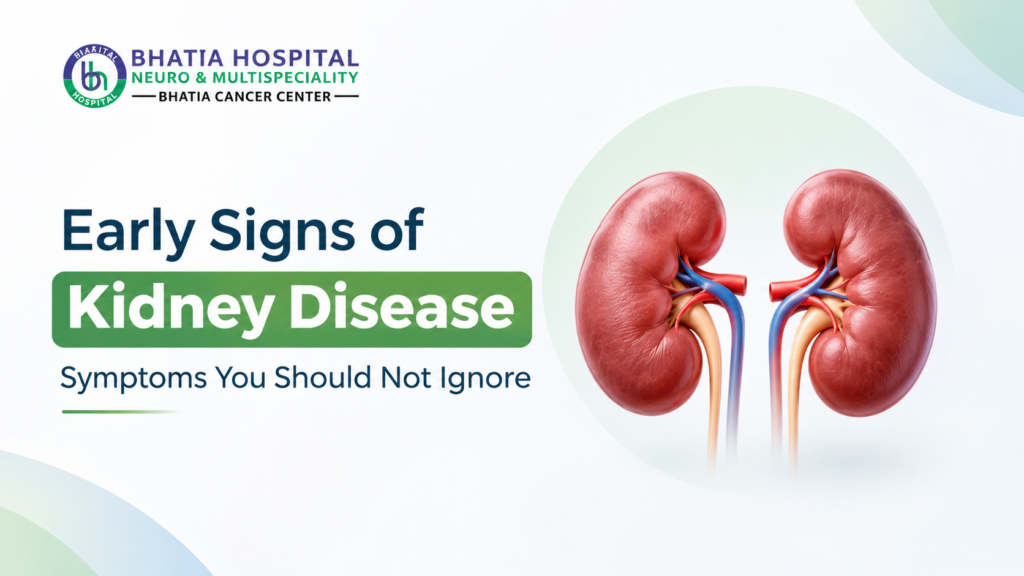
Your kidneys play an important role in keeping your body healthy. They remove waste and extra fluid from your blood. They also help control blood pressure and maintain the balance of minerals in your body.
But what happens when your kidneys stop working properly?
Kidney disease can develop slowly. Many people do not notice any warning signs during the early stages. This is why regular health check-ups are important, especially for people with diabetes or high blood pressure.
Understanding the possible signs of kidney problems can help you seek medical advice at the right time.
What Is Kidney Disease?
Kidney disease occurs when the kidneys become damaged or cannot filter blood properly. As a result, waste products and extra fluid may build up in the body.
Chronic kidney disease (CKD) develops over time. It can affect people of different ages. Diabetes and high blood pressure are among its common risk factors.
Kidney disease may progress without noticeable symptoms. Regular medical tests can help detect changes in kidney function.
Why Is Early Detection Important?
Healthy kidneys filter waste from the blood and remove it through urine. When kidney function decreases, waste and extra fluid may start building up.
Early detection helps doctors understand the condition and plan suitable care. Treatment and regular monitoring may help slow the progression of kidney disease.
People with diabetes, high blood pressure, heart disease or a family history of kidney failure should discuss regular kidney testing with their doctor.
8 Possible Signs and Symptoms of Kidney Problems
Early kidney disease often has no symptoms. However, some people may notice changes as the condition progresses.
Here are some signs that should not be ignored.
1. Changes in Urination
Changes in urination may sometimes indicate a health problem.
You may notice that you are urinating more often, particularly at night. Some people may also notice a change in the amount of urine they pass.
These changes can have several causes. Consult a doctor if they continue or concern you.
2. Swelling in the Feet, Ankles or Hands
The kidneys help remove extra fluid from the body. When they do not work properly, fluid may build up.
This can cause swelling in the feet, ankles, hands or face.
Persistent or unexplained swelling should be medically evaluated.
3. Foamy Urine
Urine that repeatedly appears unusually foamy may sometimes indicate protein in the urine.
Healthy kidneys usually prevent significant amounts of protein from passing into urine. Kidney damage can affect this filtering process.
However, occasional foam does not automatically mean kidney disease. A urine test can help identify protein in the urine.
4. Blood in the Urine
Blood in the urine can make it look pink, red or brown.
This can happen due to several conditions, including urinary tract infections, kidney stones or kidney-related problems.
Do not ignore visible blood in your urine. Seek medical evaluation even if it happens only once.
5. Unusual Tiredness and Weakness
Kidney disease can sometimes affect the body’s ability to produce enough red blood cells.
This may contribute to anaemia. Anaemia can cause tiredness, weakness and difficulty concentrating.
Persistent tiredness should not be ignored, particularly when it occurs with other symptoms.
6. Loss of Appetite or Nausea
As kidney disease progresses, waste products may build up in the blood.
Some people may experience nausea, vomiting, reduced appetite or unexplained weight loss.
These symptoms can also occur due to many other health conditions. A medical assessment can help identify the cause.
7. Itchy or Dry Skin
Some people with more advanced kidney disease experience dry or itchy skin.
This may be related to changes in mineral balance and waste removal.
Persistent itching without a clear cause should be discussed with a healthcare professional.
8. Muscle Cramps
Muscle cramps can occur in people with kidney disease.
Changes in fluid and mineral balance may contribute to these cramps.
However, muscle cramps are common and do not necessarily indicate kidney problems.
Who Is at Higher Risk of Kidney Disease?
Some people have a greater risk of developing kidney disease.
Important risk factors include:
Diabetes: High blood sugar over time can damage the small blood vessels in the kidneys.
High blood pressure: Uncontrolled blood pressure can damage kidney blood vessels.
Family history: A family history of kidney disease may increase your risk.
Heart disease: Heart and kidney health are closely connected.
Previous kidney injury: A history of kidney damage may increase the risk of future problems.
If you have any of these risk factors, ask your doctor how often you should have your kidney function checked.
How Is Kidney Disease Diagnosed?
Symptoms alone cannot confirm kidney disease. Doctors use medical history, examination and laboratory tests to assess kidney health.
Common tests include:
1. Blood Test for Creatinine and eGFR
Creatinine is a waste product that healthy kidneys remove from the blood.
A blood test measures creatinine levels. Doctors use this result to estimate the glomerular filtration rate (eGFR).
The eGFR helps show how well the kidneys filter blood.
2. Urine Test for Protein or Albumin
Healthy kidneys usually keep most albumin, a type of protein, in the blood.
Damaged kidney filters may allow albumin to pass into the urine.
A urine albumin test can help detect this change.
3. Ultrasound Scan
A doctor may recommend a kidney ultrasound when needed.
It can help examine the size, shape and structure of the kidneys. It may also help identify certain structural problems.
Your doctor will decide which tests are suitable based on your symptoms and medical history.
How Can You Help Protect Your Kidney Health?
Healthy daily habits can support your overall kidney health.
Consider these steps:
Keep your blood pressure under control.
Manage blood sugar if you have diabetes.
Eat a balanced diet with appropriate salt intake.
Stay physically active.
Avoid smoking.
Take medicines only as advised by your doctor.
Avoid frequent or unnecessary use of painkillers without medical advice.
Get kidney function tests when recommended.
People with existing kidney disease may need individual dietary and fluid advice. Always follow your doctor’s recommendations.
When Should You Consult a Nephrologist?
A nephrologist is a doctor who specialises in kidney health.
Consider consulting a nephrologist in Patiala if you have persistent swelling, repeated changes in urination, protein in your urine, unexplained blood in your urine or abnormal kidney test results.
People with diabetes, high blood pressure or a family history of kidney disease should also discuss regular screening with their healthcare provider.
Do not wait for severe symptoms before seeking medical advice. Kidney disease may remain unnoticed in its early stages.
Frequently Asked Questions:
1. What are the early signs of kidney disease?
Early kidney disease often has no noticeable symptoms. As it progresses, some people may experience swelling, changes in urination, foamy urine, tiredness or loss of appetite.
2. Can kidney disease occur without symptoms?
Yes. Many people with early-stage chronic kidney disease do not experience noticeable symptoms. Blood and urine tests can help detect kidney problems.
3. Which tests can detect kidney disease?
Doctors commonly use a blood test for creatinine and eGFR and a urine test for albumin. Additional tests may be recommended depending on the patient’s condition.
4. Who should get regular kidney tests?
People with diabetes, high blood pressure, heart disease or a family history of kidney failure may need regular kidney checks. Ask your doctor about the right testing schedule.
5. Can kidney disease be managed?
Many forms of chronic kidney disease can be managed with appropriate medical care. Treatment depends on the cause and stage of the condition. Early detection and regular monitoring are important.
Consult a Kidney Specialist at Bhatia Hospital, Patiala
Kidney health is important for your overall well-being. Do not ignore persistent symptoms or abnormal kidney test results.
If you have concerns about your kidney health, consult a qualified nephrologist for medical evaluation and guidance.
Bhatia Hospital Neuro & Multispeciality, Patiala provides access to specialist medical consultation for patients who need kidney-related evaluation and care.
Take the right steps towards better kidney health. Early medical advice can make a difference.