
Migraine Treatment in Patiala: Symptoms, Diagnosis and Treatment Options
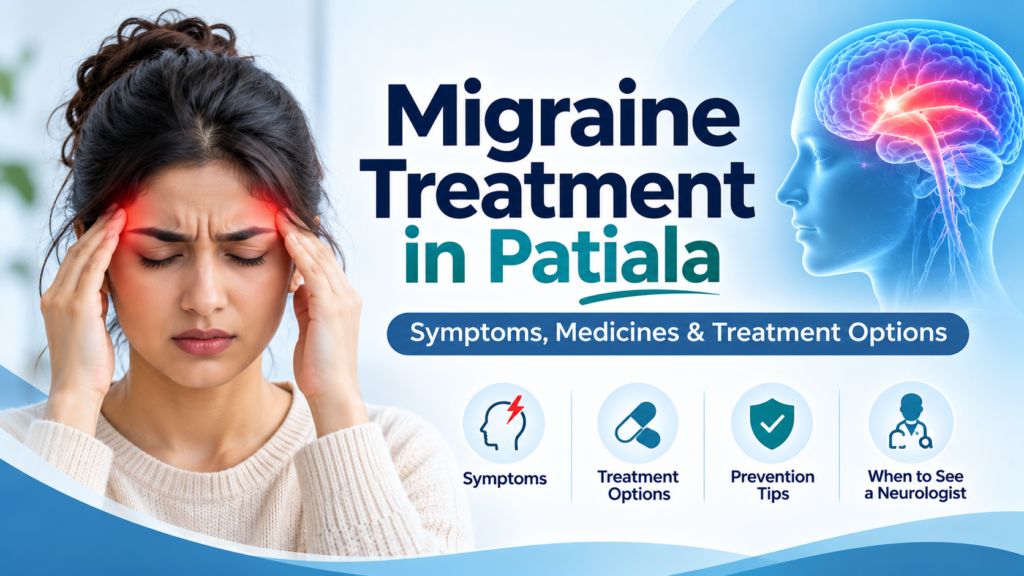
Recurring headaches can affect your work, sleep, and daily activities. If you are looking for migraine treatment in Patiala, understanding the symptoms, causes, and available treatment options can help you make informed decisions.
Migraine attacks can vary in frequency, duration, and intensity. For example, some people experience occasional attacks, while others have headaches several days each month.
In addition, understanding migraine symptoms and possible triggers can help you manage your condition. If you experience recurring headaches, consult a healthcare professional for proper medical advice.
This guide explains migraine treatment in Patiala, how doctors diagnose migraine, available treatment approaches, and ways to manage recurring attacks.
What Is a Migraine?
Migraine is a neurological disorder that causes recurring headache attacks. The pain may feel throbbing or pulsating and can affect one or both sides of the head.
A migraine attack may last between 4 and 72 hours in adults. Some people experience symptoms before the headache begins. Others may experience headache pain without warning signs.
Migraine can also cause symptoms that affect vision, balance, concentration, and digestion.
It is different from an ordinary headache because it involves a combination of neurological symptoms and pain. The condition can affect people of different ages.
What Are the Common Symptoms of Migraine?
Migraine symptoms vary from person to person. Some people experience severe head pain, while others have more noticeable nausea or sensory sensitivity.
Common migraine symptoms include:
Moderate to severe headache
Throbbing or pulsating pain
Pain on one or both sides of the head
Nausea or vomiting
Sensitivity to bright light
Sensitivity to noise
Increased discomfort during physical activity
Dizziness in some people
Difficulty concentrating
Tiredness during or after an attack
Some people experience migraine with aura. Aura refers to temporary neurological symptoms that may occur before or during a migraine attack.
What Is Migraine With Aura?
A migraine aura may cause temporary changes in vision, sensation, or speech.
Possible symptoms include:
Flashing lights or zigzag patterns
Blind spots or temporary visual changes
Tingling or pins-and-needles sensations
Temporary numbness
Difficulty speaking
Aura symptoms usually develop gradually and are temporary. However, new or sudden neurological symptoms should not automatically be assumed to be migraine. Sudden weakness, facial drooping, or difficulty speaking requires emergency assessment.
What Causes Migraine?
The exact cause of migraine is not fully understood. It involves changes in brain activity and the way the nervous system processes pain.
Genetic factors may also contribute. Having a close family member with migraine can increase the likelihood of experiencing the condition.
Certain factors may trigger or contribute to migraine attacks. These vary between individuals.
1. Stress
Emotional stress and changes in stress levels may contribute to migraine attacks. Some people notice headaches during stressful periods or after stress decreases.
2. Irregular sleep
Emotional stress and changes in stress levels may contribute to migraine attacks. Some people notice headaches during stressful periods or after stress decreases.
3. Skipping meals
Emotional stress and changes in stress levels may contribute to migraine attacks. Some people notice headaches during stressful periods or after stress decreases.
4. Hormonal changes
Some people experience migraine attacks around menstruation or during other hormonal changes. Menstrual-related migraine may follow a recurring pattern.
5. Certain foods and drinks
Some individuals identify particular foods or drinks as triggers. However, food triggers are not the same for everyone.
6. Bright lights and strong smells
Bright lighting, loud sounds, and strong smells may contribute to symptoms in some individuals.
7. Changes in routine
Travel, changes in daily schedules, dehydration, and irregular caffeine intake may affect migraine patterns.
A headache diary can help identify possible triggers. Avoid unnecessary food restrictions unless a clear pattern is identified or a healthcare professional recommends them.
How Is Migraine Diagnosed?
There is no single laboratory test that confirms every case of migraine. Diagnosis usually involves a detailed medical history and physical and neurological examination.
A doctor may ask questions such as:
When did your headaches begin?
How frequently do they occur?
How long does each headache last?
Where do you feel the pain?
Does the pain feel throbbing or continuous?
Do you experience nausea or vomiting?
Are you sensitive to light or sound?
Do you notice visual changes before a headache?
Which medicines have you already tried?
Do you have a family history of migraine?
The doctor may also assess your neurological function and review your medical history.
If you are unsure whether your headache is caused by migraine or sinus problems, read our guide on Migraine or Sinus Headache: How Can You Tell the Difference?
Are MRI or CT Scans Needed for Migraine?
Not everyone with migraine needs a brain scan. Many cases can be assessed through symptoms, medical history, and examination.
A doctor may recommend an MRI or CT scan when symptoms are unusual, the examination shows concerning findings, or another medical condition needs to be investigated.
The need for imaging depends on the patient’s symptoms and clinical assessment. Scans are not a routine requirement for every migraine diagnosis.
Migraine Treatment in Patiala: Available Treatment Options
Migraine treatment depends on the frequency and severity of attacks, associated symptoms, medical history, and response to previous treatment.
There are two main approaches:
Acute treatment: Helps relieve symptoms during a migraine attack.
Preventive treatment: Aims to reduce the frequency or severity of future attacks.
Some people need only acute treatment. Others may benefit from a combination of acute and preventive approaches. Overall Migraine treatment in Patiala depends on the patient’s symptoms, attack frequency, and medical history.
1. Medicines for Acute Migraine Attacks
Acute treatment is used when a migraine attack begins.
Depending on the patient’s condition, a doctor may recommend:
Pain-relieving medicines
Triptans, which are medicines specifically used for migraine
Gepants, which are a newer group of migraine medicines
Medicines to manage nausea or vomiting
The choice depends on the patient’s medical history, other medicines, possible side effects, and individual suitability.
Some treatments work better when taken early in an attack. Follow the timing and dosage instructions provided by the prescribing clinician.
2. Preventive Migraine Treatment
Preventive treatment may be considered when migraine attacks are frequent, severe, or interfere with daily life.
The aim is to reduce the number of headache days, attack severity, or the impact of migraine on daily activities.
Depending on the patient’s condition, doctors may consider:
Certain blood pressure medicines
Some antidepressant medicines
Selected anti-seizure medicines
CGRP-targeted medicines
Botulinum toxin injections for selected patients with chronic migraine
Not every treatment is suitable for every patient. The choice depends on migraine frequency, other medical conditions, pregnancy considerations, possible side effects, and previous treatment response.
Preventive medicines require medical supervision. Their effectiveness and tolerability should be reviewed during follow-up appointments.
3. Lifestyle Changes for Migraine Management
Daily habits may influence migraine patterns. Lifestyle changes can support medical treatment.
Some helpful measures include:
Maintaining a regular sleep schedule
Eating meals at consistent times
Drinking enough water
Managing stress
Following a suitable physical activity routine
Identifying personal headache triggers
Avoiding sudden changes in caffeine intake
Taking breaks from screens if they worsen symptoms
These measures may help some people manage migraine. However, lifestyle changes do not replace prescribed treatment when medical care is needed.
What Is Chronic Migraine?
Chronic migraine refers to a pattern of frequent headaches.
It is generally defined as:
Headache on 15 or more days per month
This pattern continues for more than three months
At least eight headache days each month have migraine features or respond to migraine-specific treatment
People with frequent headaches should discuss their symptoms with a healthcare professional.
Chronic migraine can affect sleep, concentration, work, and personal activities. A treatment plan may include preventive medicines and regular follow-up.
Can Frequent Painkiller Use Make Headaches Worse?
Yes. Frequent use of certain headache medicines can contribute to medication-overuse headache.
This may cause headaches to become more frequent or difficult to manage.
Do not increase the frequency or dosage of pain medicines without medical advice. Discuss how often you use them with your healthcare professional.
Can Migraine Be Prevented?
Migraine cannot always be prevented, but some measures may help reduce the frequency of attacks.
Consider these habits:
Maintain consistent sleep and wake times.
Avoid skipping meals.
Stay hydrated throughout the day.
Track possible food or environmental triggers.
Manage stress through suitable relaxation techniques.
Follow the treatment plan recommended by your doctor.
Attend follow-up appointments.
Avoid frequent use of pain medicines without medical advice.
Not everyone has the same triggers. A headache diary may help identify individual patterns.
How to Maintain a Migraine Diary?
A migraine diary is a simple way to record headache patterns. It can also help a doctor understand how often attacks occur and whether treatment is helping.
Record the following details:
| What to record | Information to note |
|---|---|
| Date and time | When the headache started |
| Duration | How long the attack lasted |
| Pain intensity | Mild, moderate, or severe |
| Pain location | One side, both sides, forehead, or behind the eyes |
| Other symptoms | Nausea, visual changes, light sensitivity, or dizziness |
| Possible triggers | Stress, sleep changes, meals, or other factors |
| Medicines | What you took and whether it helped |
| Menstrual cycle | Whether attacks follow a monthly pattern, if relevant |
Bring this information to your medical appointment. It may help the doctor assess your headache pattern and discuss treatment options.
How to Maintain a Migraine Diary?
Consider a neurological consultation if:
Headaches occur frequently.
Pain affects work, studies, or daily activities.
Migraine attacks do not improve with the current treatment plan.
You experience repeated visual disturbances or other aura symptoms.
You frequently need pain medicines.
Your headache pattern changes.
You are unsure whether the headaches are caused by migraine or another condition.
Seek emergency medical care for a sudden, extremely severe headache, new weakness or numbness, facial drooping, difficulty speaking, confusion, fainting, vision loss, or fever with a stiff neck.
Do not assume these symptoms are migraine. They may require urgent investigation.
Understanding Migraine Treatment in Patiala
People experiencing recurring headaches in Patiala can consult a neurology specialist for an assessment.
A neurological assessment may involve reviewing the headache pattern, associated symptoms, medical history, medicines, and possible triggers.
When discussing migraine treatment, patients may find it useful to ask:
What could be causing these recurring headaches?
Do my symptoms suggest migraine or another condition?
Do I need any diagnostic tests?
Should I consider preventive treatment?
How frequently should I attend follow-up appointments?
Could my current medicines be contributing to frequent headaches?
What should I do if an attack does not improve?
Treatment recommendations should be based on an individual assessment. They may include medicines for acute attacks, preventive treatment, lifestyle guidance, or further investigations when clinically necessary.
Conclusion:
Migraine is a neurological condition that can cause recurring headaches, nausea, sensitivity to light, and other symptoms. Its treatment depends on the frequency and severity of attacks, medical history, and individual needs.
Acute medicines may help manage attacks, while preventive treatment may reduce the frequency of headaches in selected patients. Lifestyle habits and a headache diary can also support migraine management.
If headaches are frequent, severe, or changing, seek medical advice rather than relying on repeated self-medication. Understanding the underlying headache pattern can help guide suitable treatment and follow-up care. Seeking medical advice for migraine treatment in Patiala can help patients understand suitable treatment and prevention options in Patiala.
FAQs:
Which doctor should I consult for migraine in Patiala?
A neurologist can assess recurring or suspected migraine and discuss suitable treatment options. A primary care doctor may also assess headaches and refer patients for specialist evaluation when needed.
Can migraine be cured permanently?
Migraine is a neurological condition that can recur. Treatment focuses on managing attacks and reducing their frequency or impact. A permanent cure cannot be guaranteed.
How is migraine diagnosed?
Migraine is usually diagnosed through medical history, symptom assessment, and physical and neurological examination. MRI or CT scans may be recommended when another cause needs to be investigated.
When should I consider preventive migraine treatment?
Preventive treatment may be considered when migraine attacks are frequent, severe, or affect daily activities. A doctor can assess the potential benefits and risks.
Can frequent painkiller use cause headaches?
Yes. Frequent use of certain headache medicines can contribute to medication-overuse headache. Discuss medicine frequency with a healthcare professional.
Does every migraine patient need an MRI?
No. MRI is not routinely required for every migraine diagnosis. A doctor may recommend imaging when symptoms or examination findings suggest another condition needs investigation.
What is the difference between acute and preventive migraine treatment?
Acute treatment aims to relieve symptoms during an attack. Preventive treatment aims to reduce the frequency or severity of future attacks.
Can lifestyle changes reduce migraine attacks?
Regular sleep, consistent meals, hydration, stress management, and identifying personal triggers may help some people manage migraine. These steps do not replace medical treatment when it is needed.