High Blood Pressure: Symptoms You Should Never Ignore
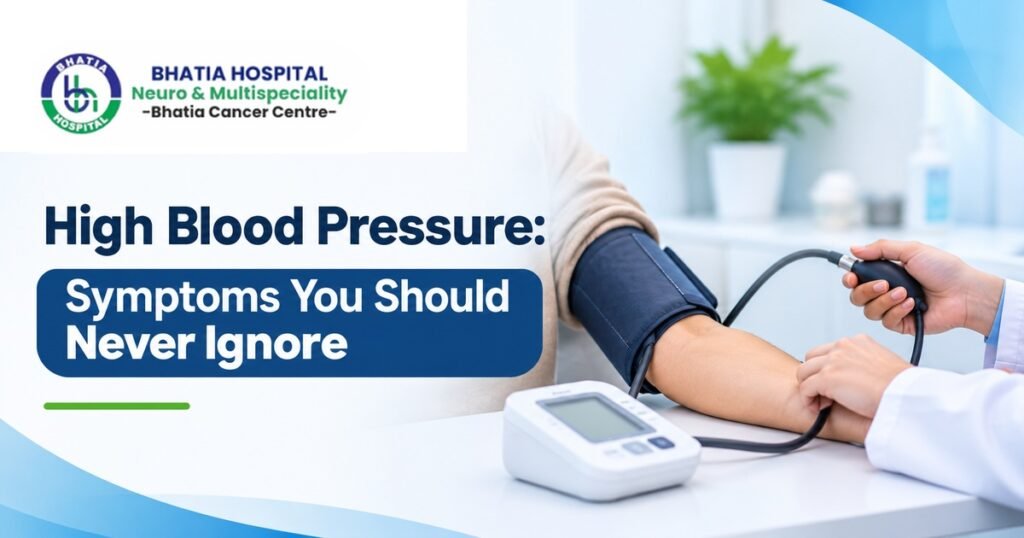
High blood pressure is a common health condition that can affect people of different ages. It develops when blood pushes against the walls of the arteries with excessive force.
Many people have high blood pressure without noticing any symptoms. This makes regular blood pressure checks important.
If left uncontrolled, hypertension can increase the risk of heart disease, stroke and kidney damage.
Understanding the warning signs, risk factors and importance of early diagnosis can help you protect your health.
What Is High Blood Pressure?
High blood pressure, also called hypertension, occurs when the force of blood against artery walls remains consistently high.
Blood pressure is measured using two numbers:
Systolic pressure: The pressure when the heart beats.
Diastolic pressure: The pressure when the heart rests between beats.
A reading is written as systolic over diastolic, such as 120/80 mmHg.
According to the World Health Organization, hypertension is generally diagnosed when blood pressure readings are 140/90 mmHg or higher on measurements taken on two different days. Your doctor will assess your readings and overall health before confirming a diagnosis.
What Are the Symptoms of High Blood Pressure?
High blood pressure is often called a silent condition because most people do not experience noticeable symptoms.
You may feel completely normal even when your blood pressure is high. Therefore, symptoms alone cannot confirm or rule out hypertension.
However, very high blood pressure may sometimes cause warning signs such as:
1. Frequent or Severe Headaches
Some people with very high blood pressure may experience severe headaches. However, headaches can have many other causes.
Do not assume that every headache is related to hypertension.
2. Blurred Vision
Very high blood pressure can affect blood vessels in the eyes. This may lead to blurred vision or other visual changes.
Sudden changes in vision need prompt medical attention.
3. Chest Pain or Discomfort
Chest pain or tightness can indicate a serious cardiovascular problem. It should never be ignored, especially when accompanied by breathlessness or sweating.
4. Shortness of Breath
Difficulty breathing may occur when severe hypertension affects the heart or causes other complications.
Seek urgent medical assessment if you experience unexplained breathlessness.
5. Dizziness or Confusion
Severe blood pressure changes may sometimes occur alongside dizziness or confusion. These symptoms can also indicate other serious conditions.
Sudden confusion, weakness or difficulty speaking requires emergency assessment.
Important: Most people with hypertension have no symptoms. Regular blood pressure measurement is the reliable way to identify it.
What Causes High Blood Pressure?
In many people, hypertension develops gradually without one clearly identifiable cause.
Several factors can increase the risk:
Family history of high blood pressure
Excessive salt consumption
Being overweight or obese
Lack of regular physical activity
Tobacco use
Excessive alcohol consumption
Increasing age
Diabetes and kidney disease
Long-term unhealthy lifestyle habits
Some medical conditions and medicines can also contribute to increased blood pressure.
What Happens If High Blood Pressure Is Left Untreated?
Uncontrolled hypertension can gradually damage blood vessels and important organs.
Possible complications include:
Heart Disease
Constant pressure can strain the heart and damage blood vessels. Over time, this increases the risk of heart disease and heart failure.
Stroke
High blood pressure can damage blood vessels in the brain. This increases the risk of stroke.
Kidney Damage
The kidneys contain many small blood vessels that help filter waste from the blood. Hypertension can damage these vessels and affect kidney function.
Read our related guide: Early Signs of Kidney Disease You Should Not Ignore.
Vision Problems
Long-term uncontrolled hypertension can damage the blood vessels in the retina and affect eyesight.
When Should You Seek Medical Help?
Do not wait for symptoms before checking your blood pressure.
Arrange a medical checkup if your readings are repeatedly higher than the recommended range.
Seek emergency medical care if you experience chest pain, severe breathlessness, sudden weakness, difficulty speaking, severe confusion or sudden vision changes.
Firstly, if your blood pressure reading is above 180/120 mmHg, wait at least one minute and repeat the measurement. If it remains that high, contact a healthcare professional immediately. Secondaly you also have symptoms such as chest pain, breathlessness, weakness or vision changes then seek emergency care without delay.
How Is High Blood Pressure Diagnosed?
A healthcare professional usually diagnoses hypertension through blood pressure measurements.
The process may include:
Blood pressure measurement: A cuff is placed around your upper arm to record your reading.
Repeat readings: Measurements on different occasions help confirm whether your blood pressure remains high.
Medical history: Your doctor may ask about family history, lifestyle habits and existing health conditions.
Additional investigations: Blood and urine tests, kidney function tests or an ECG may be recommended depending on your health.
Home blood pressure monitoring may also help track your readings. Your doctor can guide you on the correct method and frequency.
How Can You Manage High Blood Pressure?
Managing hypertension often requires a combination of lifestyle changes and medical treatment.
Reduce Salt Intake
Excessive salt can contribute to high blood pressure. Limit packaged foods, salty snacks and foods containing high amounts of sodium.
Stay Physically Active
Regular physical activity supports heart health and helps maintain healthy blood pressure.
Choose activities such as walking, cycling or other exercises suited to your fitness level.
Maintain a Healthy Weight
Maintaining a healthy weight can help reduce pressure on the cardiovascular system.
Eat a Balanced Diet
Include vegetables, fruits, whole grains, pulses and other nutritious foods. Limit foods high in salt and unhealthy fats.
Avoid Tobacco
Tobacco use damages blood vessels and increases cardiovascular risk. Avoid smoking and other tobacco products.
Take Medicines as Prescribed
Some people need medicines to control hypertension. Follow your doctor’s instructions and do not stop medication without medical advice.
Regular follow-up is important to check whether your treatment is working. Know more about it!
Frequently Asked Questions:
1. Can high blood pressure occur without symptoms?
Yes. Most people with high blood pressure do not experience noticeable symptoms. Regular blood pressure checks are important for early detection.
2. Can headaches indicate high blood pressure?
Headaches can occur with very high blood pressure, but they are not a reliable way to identify hypertension. Many other conditions can cause headaches.
3. Can young adults develop high blood pressure?
Yes. High blood pressure can affect young adults too. Family history, lifestyle habits, obesity and certain medical conditions can increase the risk.
4. How often should I check my blood pressure?
The frequency depends on your age, health and risk factors. Your doctor can recommend an appropriate monitoring schedule.
5. Can lifestyle changes control high blood pressure?
Lifestyle changes can help improve blood pressure. However, some people also need prescribed medicines. Never replace prescribed treatment with lifestyle changes alone without medical advice.
Conclusion:
High blood pressure can remain unnoticed for years, but its effects on the body can be serious.
Regular blood pressure checks, healthy lifestyle habits and timely medical advice can help reduce the risk of complications.
If you have consistently high readings or concerns about your blood pressure, consult a Nephrologist for proper checkup and care.
Bhatia Hospital Neuro & Multispeciality, Patiala, encourages regular health checks and timely medical consultation to support better long-term health. We also provide Nephrology services at Bhatia Hospital.