
When Does an Ovarian Cyst Need Laparoscopic Surgery?
An ovarian cyst can cause worry. However, many ovarian cysts do not need surgery. Some cysts go away on their own. Others only need regular checkups. Also, some ovarian cysts can cause pain or other problems. For example, a cyst may become large, keep growing, or look unusual on an ultrasound.
Therefore, a doctor may suggest surgery in some cases. Laparoscopic surgery is one option. It uses small cuts instead of one large cut. Also, the right hospital and doctor can help you understand your treatment options. The right treatment depends on the cyst, your symptoms, your age, and your overall health.
When Does an Ovarian Cyst Need Surgery?
An ovarian cyst may need surgery if it:
- Is large
- Does not go away
- Causes severe or ongoing pain
- Keeps growing
- Looks unusual on an ultrasound
- Causes the ovary to twist
- Causes the cyst to burst
- Raises concern about cancer
However, size alone does not decide if you need surgery. The doctor will also check other things. For example, the doctor may look at your pain, scan results, age, and overall health.
What Is an Ovarian Cyst?
An ovarian cyst is a fluid-filled sac that forms on or inside an ovary. Ovarian cysts are common. In fact, many cysts form during the normal menstrual cycle. These are often called functional cysts.
However, some cysts may stay for a long time. They may also grow or look unusual. For example, some cysts may have solid parts. Others may be linked to endometriosis. Therefore, the type of cyst can affect the treatment.
Common Types of Ovarian Cysts
Some common types include:
- Functional cysts: These often form during ovulation.
- Dermoid cysts: These may contain different types of body tissue.
- Endometriomas: These are linked to endometriosis.
- Cystadenomas: These can grow from ovarian tissue.
- Complex cysts: These may have both fluid and solid parts.
What Causes Ovarian Cysts?
Ovarian cysts can form for different reasons. One common cause is ovulation.
Other possible causes include:
- Changes in hormones
- Endometriosis
- Changes during pregnancy
- Growths in the ovary
- Pelvic infections in some cases
- Problems that affect how the ovaries work
Sometimes, there is no clear cause. In that case, the doctor may do a checkup and use scans to understand the cyst better.
Symptoms of an Ovarian Cyst
Ovarian cysts can form for different reasons. One common cause is ovulation.
Other possible causes include:
- Changes in hormones
- Endometriosis
- Changes during pregnancy
- Growths in the ovary
- Pelvic infections in some cases
- Problems that affect how the ovaries work
Sometimes, there is no clear cause. In that case, the doctor may do a checkup and use scans to understand the cyst better.
When Does an Ovarian Cyst Need Laparoscopic Surgery?
Not every ovarian cyst needs surgery.
First, the doctor will check several things. These may include the size of the cyst, how it looks, your symptoms, and whether the cyst is growing.
1. The Ovarian Cyst Is Large
A large ovarian cyst may cause pain, pressure, or a feeling of fullness. Also, a large cyst may cause other problems in some people. However, there is no one size that always means surgery is needed. Therefore, the doctor will look at the size, type, and appearance of the cyst before making a decision.
2. The Cyst Does Not Go Away
Many functional cysts go away on their own. However, some cysts stay after several menstrual cycles. If the cyst does not go away, the doctor may suggest more tests. Then, the doctor will decide if regular checkups or surgery are needed.
3. The Cyst Causes Severe or Ongoing Pain
Ongoing pain can affect your daily life. For example, it may affect your sleep, work, walking, or other activities. Therefore, you should not ignore pain that continues. If the pain does not get better, the doctor may suggest ovarian cyst surgery.
4. The Cyst Looks Unusual on an Ultrasound
However, a simple cyst may need different treatment from a complex cyst.
For example, the scan may show:
- Solid parts
- Thick walls
- Other unusual signs
Therefore, the doctor may suggest more tests. Then, surgery may help the doctor find the problem and treat it.
5. The Ovary May Twist
Sometimes, the ovary can twist. This is called ovarian torsion. When the ovary twists, it can affect the blood supply. Also, it can cause sudden and severe pain. Therefore, this needs urgent medical care. In some cases, emergency surgery may be needed.
6. Cancer Cannot Be Ruled Out
Most ovarian cysts are not cancerous. However, some cysts may need more tests. For example, a cyst may look unusual, grow quickly, or have other signs that need further checking. Also, age can affect the doctor’s decision. Therefore, the doctor may suggest scans, blood tests, or advice from another doctor.
What Is Laparoscopic Surgery for an Ovarian Cyst?
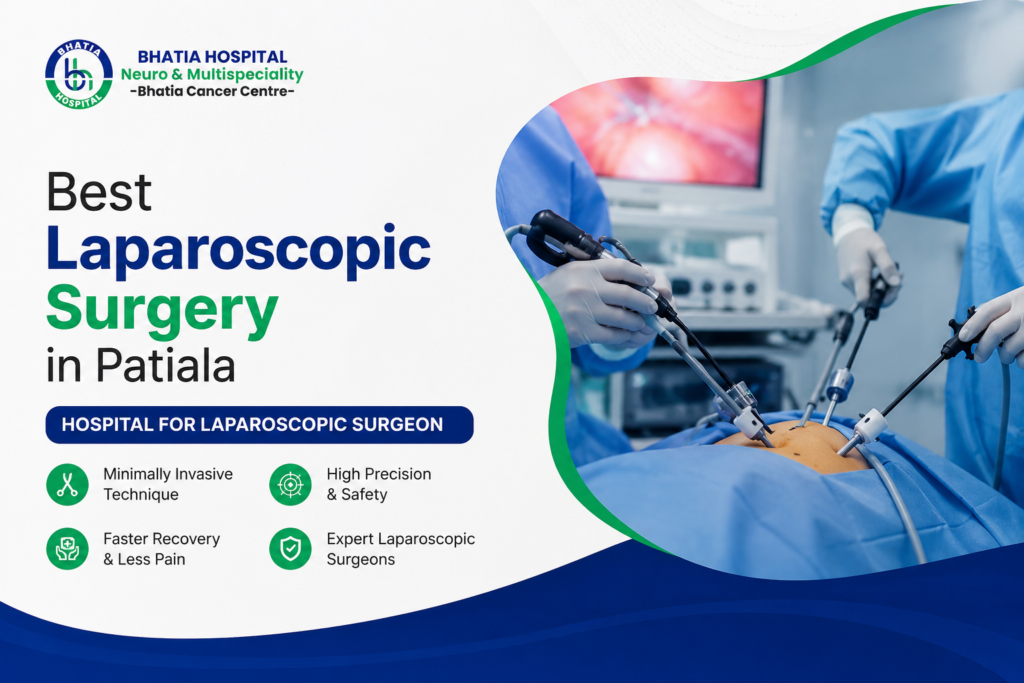
Laparoscopic surgery is surgery done through small cuts. First, the surgeon makes a few small cuts in the abdomen. Next, a small camera and special tools are placed through these cuts. Then, the surgeon checks the cyst and the ovary.
If it is safe to do so, the surgeon may remove the cyst. Therefore, laparoscopic surgery can be a treatment option for some patients.
Why Might an Ovarian Cyst Need Surgery?
An ovarian cyst may need surgery if it:
- Does not go away
- Is large
- Causes severe pain
- Looks unusual
- Keeps growing
- Causes other problems
Also, surgery may be require if tests cannot clearly rule out a serious problem. However, the final decision depends on your full health condition. Therefore, your doctor will discuss the best treatment option with you.
How Is an Ovarian Cyst Removed Through Laparoscopy?
First, the surgeon makes small cuts in the abdomen. Next, a small camera and surgical tools are placed inside. Then, the abdomen is gently fill with gas to give the surgeon more space. The surgeon checks the ovary and the cyst. If possible, the cyst is remove while trying to save the ovary. Finally, the remove tissue may be sent to a laboratory for testing.
Who Can Have Laparoscopic Ovarian Cyst Surgery?
Some people with ovarian cysts may be able to have laparoscopic surgery. However, every person is different.
The doctor may check:
- The size of the cyst
- The ultrasound results
- Your symptoms
- Your medical history
- Any past surgeries
- The possible risk of cancer
Therefore, a gynecologist can help decide if laparoscopic surgery is right for you.
How Is an Ovarian Cyst Diagnose ?
First, the doctor needs to understand the problem before choosing treatment. The doctor may suggest a few tests.
Medical History and Physical Checkup
First, the doctor may ask about:
- Pelvic or stomach pain
- Changes in periods
- How long the signs have been present
- Pregnancy history
- Previous ovarian cysts
- Previous surgeries
- Family medical history
Next, the doctor may do a physical checkup.
Pelvic Ultrasound
An ultrasound can help the doctor check:
- The size of the cyst
- Where it is located
- What it looks like inside
- Whether it is simple or complex
Also, a transvaginal ultrasound may give a clearer view in some cases. Therefore, an ultrasound can help the doctor decide what to do next.
Blood Tests
Some people may need blood tests. However, not everyone needs the same tests. The doctor will decide based on your age, the cyst, and your overall health. Also, a blood test alone cannot find every ovarian problem. Therefore, doctors look at blood test results together with scans and other findings.
Ovarian Cyst Treatment Options
Not every ovarian cyst needs surgery. Instead, treatment may include regular checkups, treatment for pain, or surgery.
1. Regular Checkups
Small and simple cysts may only need regular checkups. For example, the doctor may suggest another ultrasound after some time. Then, the doctor can check if the cyst has changed or gone away.
2. Treatment for Pain and Other Problems
Some people may need treatment for pain or other health problems. However, the right treatment depends on what is causing the symptoms. Therefore, the doctor will suggest the best option based on your needs.
3. Laparoscopic Ovarian Cystectomy
A laparoscopic ovarian cystectomy is surgery to remove the cyst. When possible, the surgeon may try to save the ovary and healthy ovarian tissue. Also, this surgery uses small cuts. Therefore, it may be a good option for some patients.
4. Open Surgery
Sometimes, open surgery may be the safer option. However, this does not mean laparoscopic surgery is not useful. The right type of surgery depends on the cyst and your health. Therefore, the main goal is to choose the safest treatment.
What Happens During Ovarian Cyst Surgery?
The exact steps can be different for each person. However, the surgery may include the following steps.
1. Before the Surgery
First, the medical team will check your scans, test results, medicines, and medical history.
2. Anesthesia
Next, you will usually receive general anesthesia before the surgery.
3. Small Cuts
Then, the surgeon makes small cuts for the camera and surgical tools.
4. Checking the Cyst
Next, the surgeon checks the cyst, the ovary, and nearby areas.
5. Removing the Cyst
If needed, the surgeon removes the cyst. When possible, the surgeon may try to save the ovary.
6. Testing the Tissue
After that, the remove tissue may be sent to a laboratory for testing.
7. Recovery
Finally, the medical team will monitor you after the surgery. Then, you may go home or stay in the hospital, depending on your condition.
Ovarian Cyst Surgery Recovery
The exact steps can be different for each person. However, the surgery may include the following steps.
1. Before the Surgery
First, the medical team will check your scans, test results, medicines, and medical history.
2. Anesthesia
Next, you will usually receive general anesthesia before the surgery.
3. Small Cuts
Then, the surgeon makes small cuts for the camera and surgical tools.
4. Checking the Cyst
Next, the surgeon checks the cyst, the ovary, and nearby areas.
5. Removing the Cyst
If needed, the surgeon removes the cyst. When possible, the surgeon may try to save the ovary.
6. Testing the Tissue
After that, the remove tissue may be sent to a laboratory for testing.
7. Recovery
Finally, the medical team will monitor you after the surgery. Then, you may go home or stay in the hospital, depending on your condition.
Risks of Untreated Ovarian Cysts
Many ovarian cysts can be safely watch . However, you should not ignore ongoing or severe symptoms.
Depending on the type of cyst, possible problems may include:
- Ongoing pain
- The cyst getting bigger
- The cyst bursting
- The ovary twisting
- Pressure on nearby organs
- A delay in finding a serious problem
Therefore, regular checkups can help the doctor decide if watching the cyst is still the right choice.
Why Choose Bhatia Hospital for Ovarian Cyst Treatment in Patiala?
Choosing a hospital for laparoscopic surgery in Patiala is an important decision. First, you may need help finding out what is causing your symptoms. Next, you may need scans, treatment, surgery, or follow-up care. Bhatia Hospital Neuro & Multispeciality Hospital, Patiala, provides care for patients who need medical evaluation and treatment.
Patients may consider the hospital because of:
- Experienced doctors
- A multispeciality hospital setting
- Modern medical facilities
- Patient-focused care
- Treatment based on your symptoms and test results
- Access to different medical departments when needed
- Easy access for patients from Patiala and nearby areas
Also, some difficult cases may need help from more than one doctor. Therefore, it is important to choose care based on your health needs.
Can Ovarian Cysts Be Prevent?
Not all ovarian cysts can be prevent . Many cysts form naturally during ovulation. However, early checkups may help find problems sooner.
You can:
- Go for regular gynecological checkups when advised
- Tell your doctor about ongoing pelvic pain
- Avoid ignoring sudden and severe pain
- Complete follow-up scans when advised
- Talk to your doctor about unusual changes in your periods
- Follow your treatment plan for conditions such as endometriosis
Therefore, early care can help you understand your treatment options.
When Should You See a Doctor for an Ovarian Cyst?
You should see a doctor if you have:
- Ongoing pelvic pain
- Frequent bloating
- Pain during sex
- Pressure in the pelvic area
- Unusual changes in your periods
- An ovarian cyst that needs another checkup
However, you should seek urgent medical care if you have sudden and severe pain. Also, get medical help if the pain comes with vomiting, fainting, or severe weakness. Therefore, do not wait if your symptoms are severe.
FAQs
1. At What Size Does an Ovarian Cyst Need Surgery?
There is no one size that always means surgery is need . However, doctors do not look at size alone. For example, they also check how the cyst looks, whether it is growing, and whether it causes pain. Therefore, the doctor will decide based on the full picture.
2. Can a 5 cm Ovarian Cyst Be Remove by Laparoscopy?
In some cases, yes. However, the decision depends on more than the size. The doctor will also check the type of cyst, how it looks, where it is, and whether it causes symptoms. Therefore, a doctor can suggest the safest option after checking the results.
3. How Long Does Recovery Take After Laparoscopic Ovarian Cyst Surgery?
Recovery time can be different for each person. Also, surgery with small cuts may have a shorter recovery time than open surgery. However, there is no fixed recovery time for everyone. Therefore, ask your surgeon when you can return to work, exercise, and normal daily activities.
4. Is Ovarian Cyst Surgery Painful?
Some pain or discomfort can happen after surgery. However, the medical team can help manage the pain. Therefore, contact your healthcare team if the pain becomes severe or gets worse.
5. Can an Ovarian Cyst Come Back After Surgery?
Yes, another ovarian cyst can form after surgery. However, the chance may depend on the type of cyst and other health problems. Therefore, regular checkups may be important.
Conclusion
Most ovarian cysts do not need surgery. However, surgery may be needed if the cyst is large, does not go away, causes severe pain, keeps growing, looks unusual, or causes other problems. Therefore, the decision should be based on a proper medical checkup. The doctor will look at your ultrasound results, symptoms, age, medical history, and treatment needs.
If you are looking for a hospital for laparoscopic surgery in Patiala, speak with a qualified doctor about your symptoms and treatment options. Finally, early medical care can help you understand the problem and choose the right next step.